
Yuga Labs and Ryder Ripps Settle Landmark NFT Copyright Infringement Lawsuit
In a significant development for the burgeoning world of Non-Fungible Tokens (NFTs), Yuga Labs, the creators behind the iconic Bored Ape Yacht Club (BAYC) collection, have reached a settlement in their long-running copyright and trademark infringement lawsuit against conceptual artist Ryder Ripps. The resolution, reported in the last 24 hours, marks a pivotal moment in defining intellectual property boundaries within the digital asset ecosystem and brings to a close a legal battle that has captivated the Web3 community.
The lawsuit, initiated by Yuga Labs, centered on Ripps's 'RR/BAYC' collection, which mirrored the imagery of the original Bored Ape NFTs. Yuga Labs contended that Ripps's project constituted trademark infringement and aimed to devalue the Bored Ape brand by misleading consumers into believing the 'RR/BAYC' NFTs were legitimate or associated with Yuga Labs.
The Genesis of a Digital Art Clash
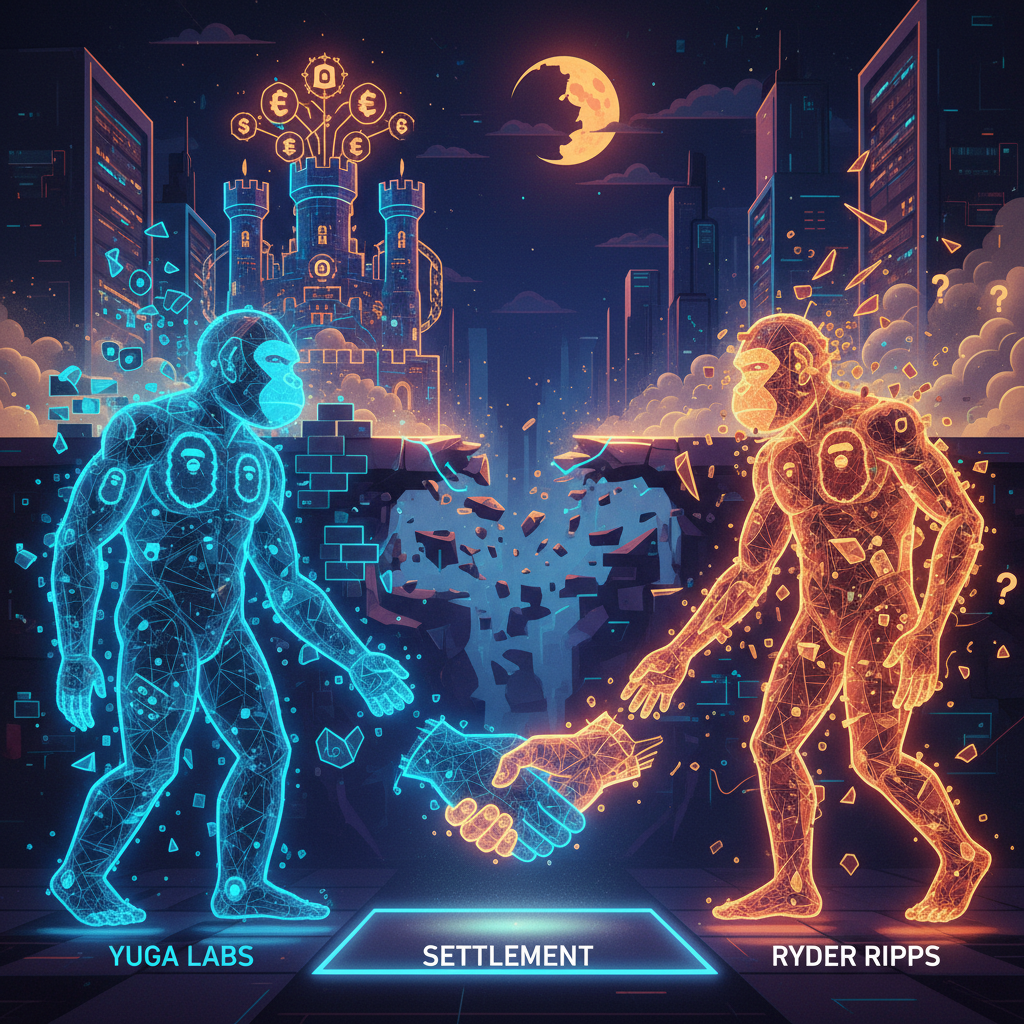
The conflict arose from Ryder Ripps's creation of the 'RR/BAYC' collection, which was presented as an artistic commentary on perceived issues within Yuga Labs and the broader NFT space. Ripps argued his work was protected under fair use as satire and artistic expression, a common defense in traditional art. He essentially copied the Bored Ape images, re-minted them on the Ethereum blockchain, and sold them, claiming to expose what he viewed as the problematic aspects of the BAYC project.
Yuga Labs, on the other hand, maintained that Ripps was not merely engaging in artistic critique but actively profiting from their established brand, causing confusion among potential buyers and harming the value of their intellectual property. The Bored Ape Yacht Club is one of the most recognizable and valuable NFT collections, and Yuga Labs has actively sought to protect its extensive intellectual property rights, including trademarks on the distinctive ape imagery. The legal dispute highlighted the tension between artistic freedom and trademark protection in the context of digital assets, where digital scarcity and verifiable ownership through NFTs add new layers of complexity to existing legal frameworks.
Implications for Web3 Intellectual Property

While the specific terms of the settlement have not been publicly disclosed, its occurrence signals a potential precedent for future intellectual property disputes in the NFT space. The long-running legal saga had been closely watched by creators, collectors, and legal experts alike, as its outcome could significantly influence how digital art is created, disseminated, and legally protected. The resolution underscores the growing need for clarity and robust legal frameworks that address the unique challenges posed by blockchain technology and non-fungible tokens.
The case forced a crucial examination of whether traditional copyright and trademark laws, designed for physical or easily reproducible digital goods, adequately apply to unique, blockchain-backed digital assets. The 'RR/BAYC' case, and its settlement, will likely serve as a reference point for discussions around authenticity, derivative works, and the scope of artistic expression when dealing with established NFT brands. This development is particularly relevant as the NFT market matures beyond initial speculative frenzies, shifting towards more utility-driven and brand-integrated use cases.
For NFT creators, this settlement reinforces the importance of understanding and respecting existing intellectual property rights, even when engaging in commentary or appropriation. For platforms and marketplaces, it highlights the ongoing challenge of balancing open creative expression with the prevention of infringement. As the digital collectibles market continues to evolve, with an increasing focus on gaming assets, metaverse real estate, and brand loyalty programs, clear legal precedents are essential for fostering innovation while protecting the investments of both creators and collectors.
The settlement between Yuga Labs and Ryder Ripps contributes to the ongoing evolution of legal interpretations in the Web3 space. It suggests a move towards a more defined landscape where digital asset ownership and artistic interpretation find a more balanced coexistence, providing some much-needed guidance for an industry still navigating its foundational legal principles.