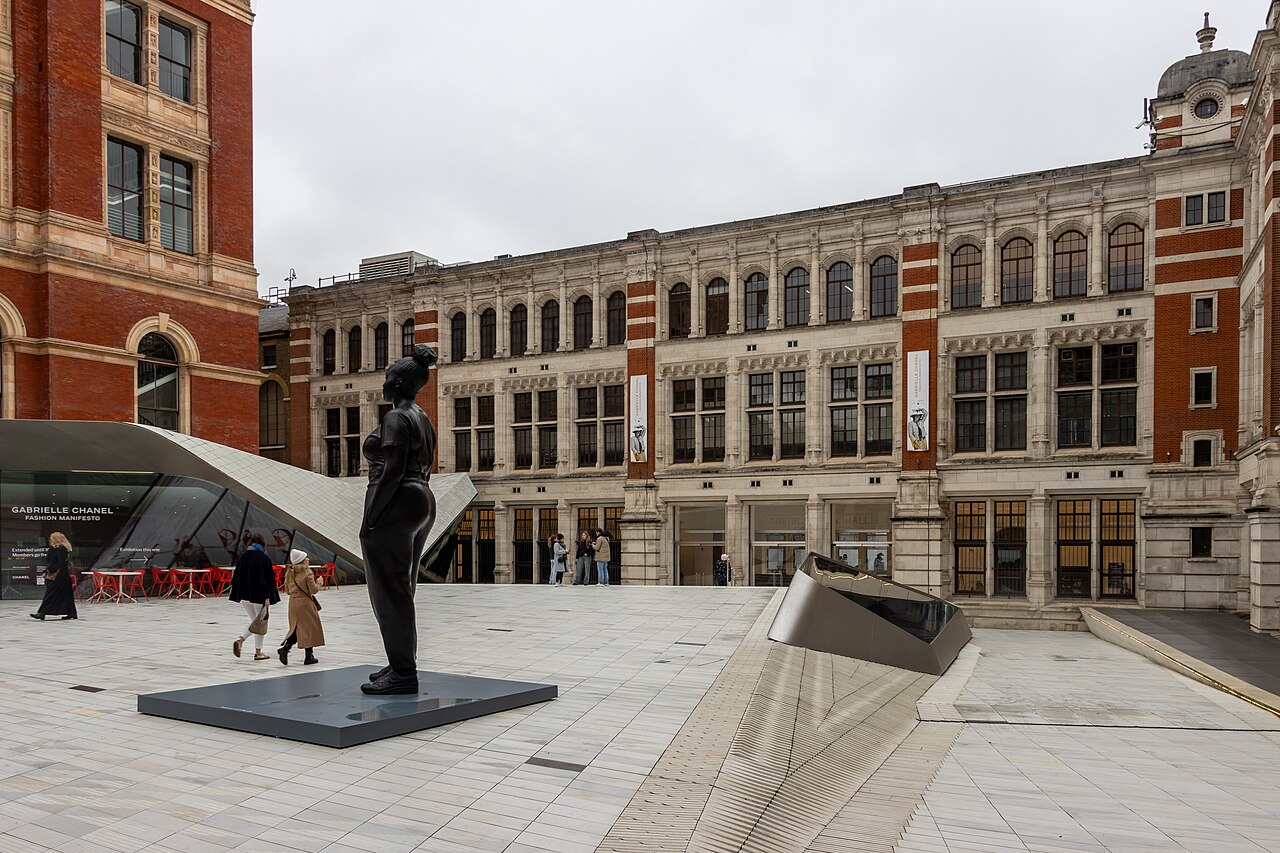
V&A Museum Inspires Landmark Generative NFT Drops by Mapan and DesLauriers
In a major milestone highlighting the growing synergy between traditional cultural institutions and decentralized digital art, celebrated generative artists William Mapan and Matt DesLauriers officially released their highly anticipated dual collections on November 24, 2026. Developed in direct partnership with London's prestigious Victoria and Albert Museum (V&A) as part of its 2026 Digital Art Season, the project brings together on-chain non-fungible tokens (NFTs) on the Verse platform and limited-edition physical prints produced by Avant Arte.
The release represents a sophisticated evolution for the broader NFT ecosystem. While earlier market cycles were largely characterized by volatile trading of profile-picture collections and speculative assets, the late-2026 market has seen collectors and cultural preservationists turn their focus toward historically grounded generative art. By opening the V&A's historic archives to contemporary creative coders, the London institution and its collaborating partners have established a direct bridge between mid-twentieth-century algorithmic experimentation and modern blockchain provenance.
Algorithmic Homage: Reinterpreting Art History Through Code
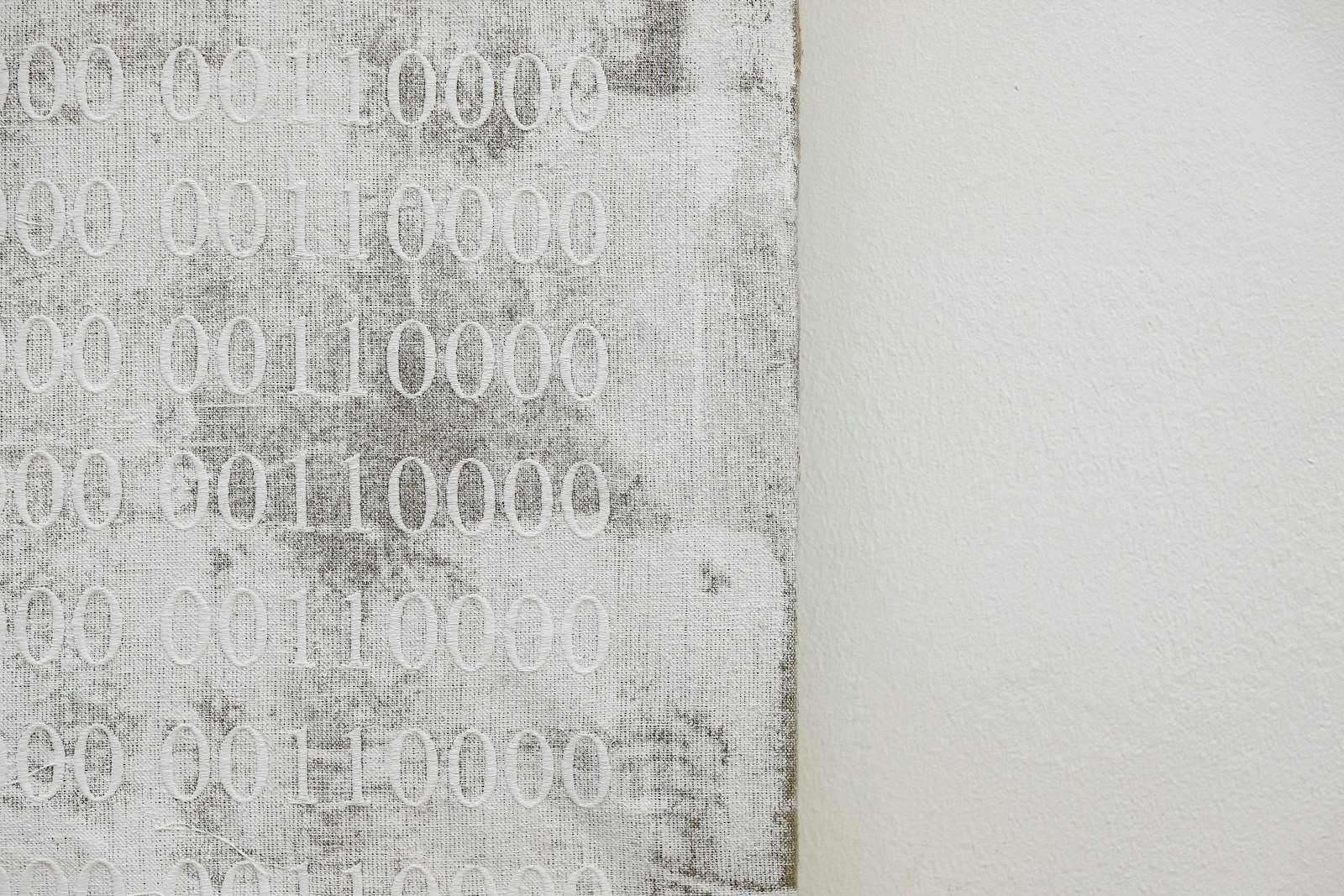
For his contribution to the initiative, Paris-based artist and software developer William Mapan unveiled a body of work divided into the digital generative collection "Confined" and its physical counterpart "(Un)confined." During his archival research at the V&A South Kensington, Mapan engaged deeply with works by Harold Cohen, the seminal pioneer renowned for creating AARON, one of the earliest autonomous art-making software programs begun in the 1970s.
Studying Cohen's physical plotter drawings allowed Mapan to examine the organic imperfections produced when robotic plotters placed ink on paper. Mapan responded by steering his proprietary algorithmic systems toward Cohen's dense, opaque forms and heavy outlines, departing from his typical brush-like aesthetic to embrace a bolder graphic sensibility. Offered as a limited generative series of 1,000 unique digital tokens on Verse alongside signed fine-art prints on Avant Arte, Mapan's release reflects the delicate boundary between computational constraints and artistic intention.
Glacial Formations and Pioneer Plotter Studies
Complementing Mapan's work, Canadian generative artist and creative coder Matt DesLauriers launched "Serac," a 1,000-piece algorithmic NFT collection on Verse paired with archival silkscreen editions on Avant Arte. DesLauriers, widely recognized across the digital art space for projects examining procedural terrain generation, turned to two distinct historical pillars housed within the V&A collections for inspiration.
The conceptual foundation of "Serac" draws from the early computer-generated pen-plotter experiments of American pioneers Colette and Charles Bangert, alongside the delicate nineteenth-century watercolor landscape studies of British painter Arthur Hopkins. By synthesising vintage computer line-work with organic watercolor gradients, DesLauriers' algorithm visualizes towering glacial crevasses and shifting ice formations. Each minted token represents an autonomous computational execution, creating a dynamic tension between the calculated precision of mathematical code and the unpredictable beauty of natural environments.
Institutional Integration and the Maturing NFT Landscape
The project, curated by V&A curators Corinna Gardner and Melanie Lenz, underscores an important structural pivot in how heritage institutions approach digital ownership. Beyond simply offering exposure, the collaboration includes a direct philanthropic model: 14% of primary sales proceeds are donated directly to the V&A to support its ongoing research, digital archiving, and educational programs.
For the wider Web3 space, high-caliber museum partnerships signal a durable maturation for non-fungible tokens. As market dynamics continue prioritizing authenticity, cultural significance, and dual-medium accessibility over short-term flipping, projects like those from Mapan and DesLauriers provide a blueprint for how computational art can sit comfortably within both decentralized crypto wallets and world-renowned museum galleries.
Cover photo: Photograph by Mike Peel (www.mikepeel.net). / CC BY-SA 4.0, via Wikimedia Commons