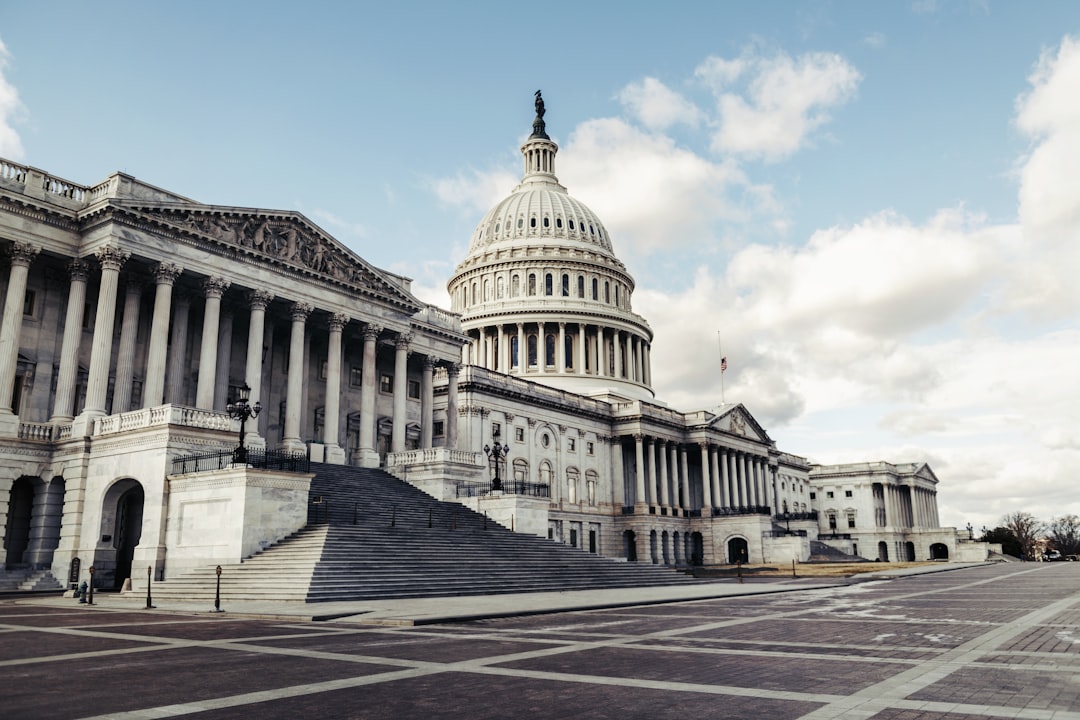
US Senate Draft Bill Offers Regulatory Clarity, NFT Safe Harbor Emerges
WASHINGTON D.C. – The U.S. digital asset landscape is on the cusp of a significant transformation as the Senate Banking Committee unveiled a new, comprehensive draft of the Digital Asset Market Clarity Act (CLARITY Act) on May 12, 2026. This 309-page legislative proposal aims to provide much-needed regulatory definitions and frameworks for the burgeoning crypto industry. Of particular note for the Non-Fungible Token (NFT) sector is a dedicated ‘safe harbor’ provision that explicitly seeks to exempt NFTs from securities laws, unless they inherently involve an investment contract. This development signals a critical shift towards regulatory certainty, potentially unlocking new avenues for innovation and mainstream adoption within the NFT space.
Redefining NFT Status: A Legislative Breakthrough

The core of the CLARITY Act’s impact on NFTs lies in Section 602, titled ‘Safe Harbor for Nonfungible Tokens.’ This provision is designed to provide a clear legal distinction for NFTs, moving them away from the ambiguous 'security' classification that has long been a point of contention and uncertainty for creators and collectors alike. By stating that NFTs are exempt from securities laws unless they constitute an investment contract, the bill directly addresses the critical ‘Howey Test’ dilemma that has overshadowed many NFT projects.
This legislative move acknowledges the diverse nature of NFTs, recognizing that many function purely as digital collectibles, art, or representations of ownership without embodying the characteristics of an investment scheme. The clarity offered could alleviate regulatory burdens and foster an environment where genuine utility-driven NFT projects can flourish without constant legal apprehension. For an industry that has seen its fair share of speculative cycles, anchoring the technology in clear regulatory definitions is paramount for sustainable growth.
Implications for the NFT Ecosystem and Beyond
The proposed NFT safe harbor within the CLARITY Act has wide-ranging implications, promising a more predictable and robust ecosystem. For artists and creators, it could de-risk the creation and distribution of digital art and collectibles, encouraging more talent to enter the space. Project developers may find it easier to build and scale applications ranging from digital identities and memberships to gaming assets and tokenized real-world items, as the fear of inadvertent securities law violations diminishes.
While the overall NFT market has seen a shift from speculative trading to utility-focused applications, regulatory clarity is a fundamental component for institutional confidence and broader market participation. Reports from earlier in 2026 already highlighted a significant emphasis on NFTs offering tangible benefits, such as exclusive access, in-game functionality, and verifiable certificates for physical goods. This legislative clarity complements that market evolution, providing a legal bedrock for these utility-driven models. For instance, the tokenized real estate market was estimated at $78 billion in 2026, and enterprises have increased NFT platform adoption by 67% year-over-year.
Furthermore, the Act’s progress through the Senate Banking Committee is rapid, with committee members having until the close of business on May 13th to file amendments, and a markup scheduled for May 14th. This accelerated timeline underscores the legislative urgency to establish a clear federal market structure for digital assets. The bill also includes provisions addressing other digital assets and financial instruments, aiming for comprehensive oversight.
The passage of such legislation could significantly boost the confidence of traditional financial institutions and corporations looking to integrate blockchain technology and NFTs into their operations. This institutional adoption, already a notable trend in 2026, is contingent on predictable legal environments. A clear regulatory framework helps in managing compliance and mitigating risks, making digital assets a more attractive and viable component of the global economy. As the lines between digital and physical assets continue to blur, foundational legislation like the CLARITY Act’s NFT safe harbor will be instrumental in shaping the future of digital ownership and interaction.