NFT Gaming Evolves: May 2026 Sees Shift to Gameplay-First, Sustainable Models
The non-fungible token (NFT) gaming sector is undergoing a profound transformation, moving decisively away from its speculative roots towards models that prioritize engaging gameplay, robust digital ownership, and enhanced user experience. As of May 2026, leading play-to-earn (P2E) titles are redefining what it means to integrate blockchain technology into interactive entertainment, signaling a more mature and sustainable era for the industry.
From Speculation to Sustainable Engagement
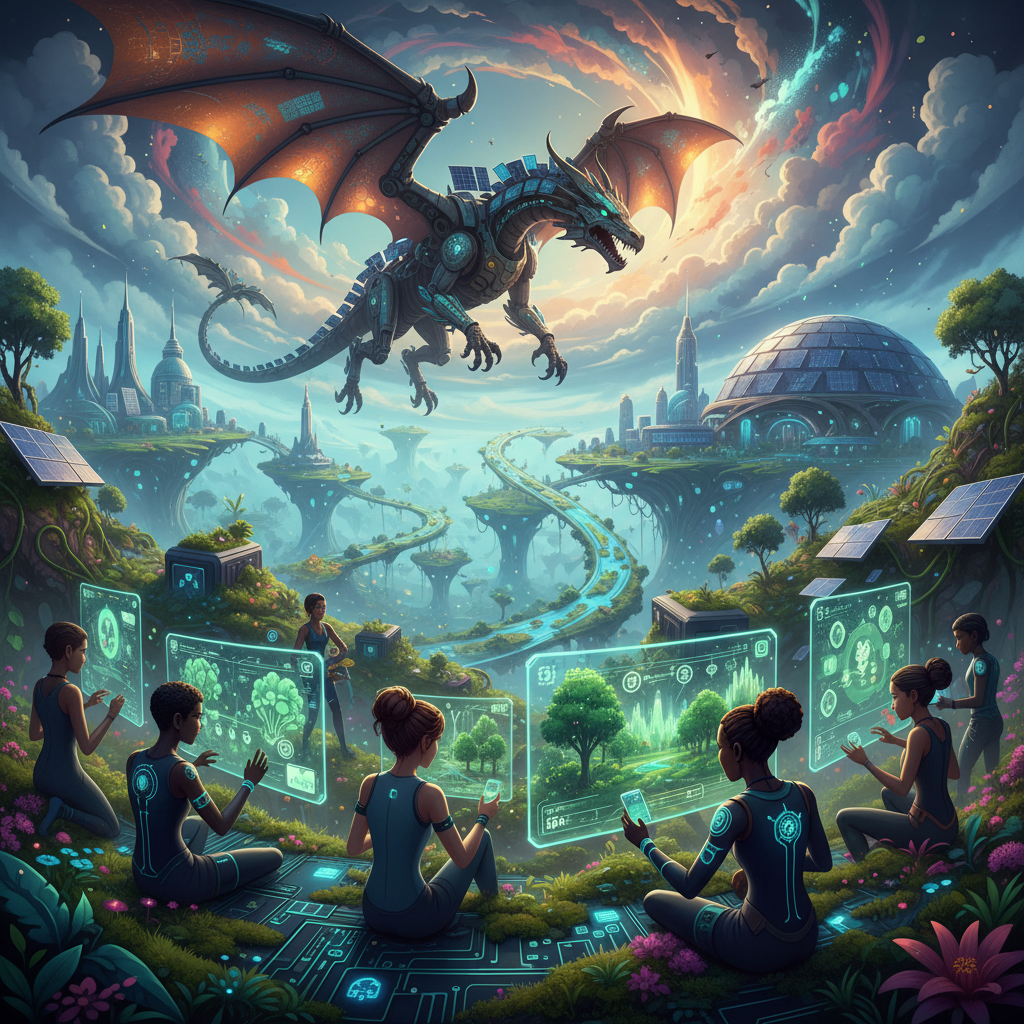
For a considerable period, the NFT gaming landscape was largely dominated by projects focused on token speculation, where the primary incentive for players was often the potential for quick financial gains through flipping digital assets. This approach, while generating initial hype, proved unsustainable, leading to a boom-and-bust cycle for many projects. However, the current environment in May 2026 reveals a significant paradigm shift. Top NFT games are now emphasizing fun, economic incentives, and accessible on-chain ownership, blending these elements more effectively than in previous iterations.
This evolution is characterized by a departure from high entry costs, which often required players to invest in expensive NFTs merely to participate. Many contemporary NFT titles are embracing free-to-play access or offering low entry barriers, allowing newcomers to engage with the game and its ecosystem before committing substantial capital. This strategic pivot ensures that players are drawn in by the inherent enjoyment and quality of the game itself, rather than solely by speculative profit motives.
Key Characteristics of the New NFT Gaming Frontier
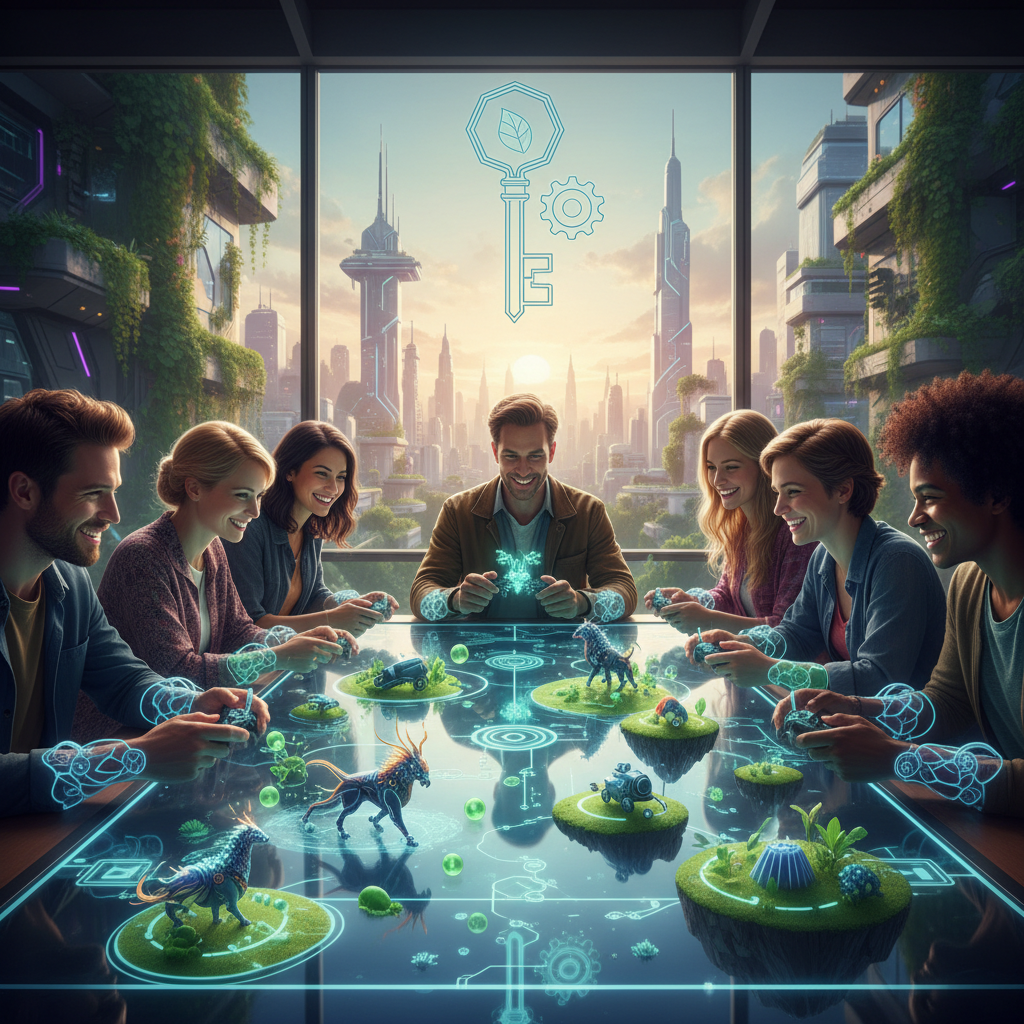
The leading NFT games of today are distinguishable by several key attributes that underscore their commitment to a player-centric and sustainable future:
- Enhanced Gameplay and User Experience: The focus has firmly shifted to delivering immersive and enjoyable gameplay, comparable to traditional gaming titles. NFTs are no longer just speculative assets but function as the backbone for digital ownership, progression, and unique in-game experiences.
- Reduced Blockchain Friction: A significant barrier for wider adoption in earlier NFT games was the often-complex interaction with blockchain technology, including wallet management and high transaction fees. Modern titles are actively working to minimize this friction, making the economic layer feel like a seamless feature of the game rather than a technical hurdle. This allows players to focus on the game itself, with blockchain mechanics operating subtly in the background.
- Real Digital Ownership: While earlier iterations promised ownership, current games are solidifying this by ensuring that in-game items, characters, and virtual land truly belong to the players as non-fungible tokens. This empowers players to buy, sell, trade, or hold these assets with tangible real-world value, fostering genuine digital economies.
- Diverse Genre Representation: The current top-tier NFT games span a wide array of genres, demonstrating the versatility of the technology. Examples include the immersive MMORPGs like Big Time and Illuvium, user-generated content platforms such as The Sandbox, the enduring creature-battling of Axie Infinity, fast-paced mech battles in Wreck League, post-apocalyptic survival in Undeads Games, and strategic card games like Splinterlands and Alien Worlds.
Navigating a Cooling Market with Resilient Foundations
This maturation within NFT gaming occurs even as the broader NFT market experiences a cooling period. Reports indicate that global NFT trading volume in 2026 has halved compared to the same period in 2025, affecting both art collections and gaming assets. This market contraction is forcing projects to re-evaluate their incentives and focus on fundamental value. Projects that previously relied heavily on hype or short-term profit expectations are struggling, while those offering repeatable gameplay loops and clear progression paths continue to attract and retain users.
Moreover, the instability seen in some NFT marketplaces, with several platforms reportedly shutting down, highlights the critical importance of infrastructure resilience. Collectors and creators are increasingly urged to scrutinize how their NFT assets are stored, examining the underlying smart contracts and storage methods to ensure that associated media and traits remain accessible even if a platform ceases operations. This emphasis on robust, decentralized storage methods like IPFS is becoming paramount for long-term ownership security.
In conclusion, May 2026 marks a pivotal moment for NFT gaming. The sector's shift towards prioritizing engaging gameplay, accessible experiences, and genuine digital ownership over speculative trading indicates a move towards long-term sustainability. As the market matures, the projects that succeed will be those that provide real utility, foster strong communities, and offer compelling interactive experiences that truly leverage the unique capabilities of blockchain technology, embedding NFTs as an integral, yet seamless, part of the gaming landscape.