Ronin Network Elevates NFT Gaming with Major Ethereum Layer 2 Migration
The landscape of Non-Fungible Tokens (NFTs) is continually evolving, moving beyond speculative digital art to embrace tangible utility and robust infrastructure. A significant development this month has been the Ronin Network's successful migration to an Ethereum Layer 2 (L2) solution, a move poised to bolster the scalability and accessibility of blockchain gaming, particularly for popular titles like Pixels. This strategic shift, completed on May 12, 2026, signals a mature phase for NFT ecosystems, where technical enhancements directly translate into enhanced user experience and economic viability for play-to-earn (P2E) models.
Ronin's Strategic Shift to Ethereum L2
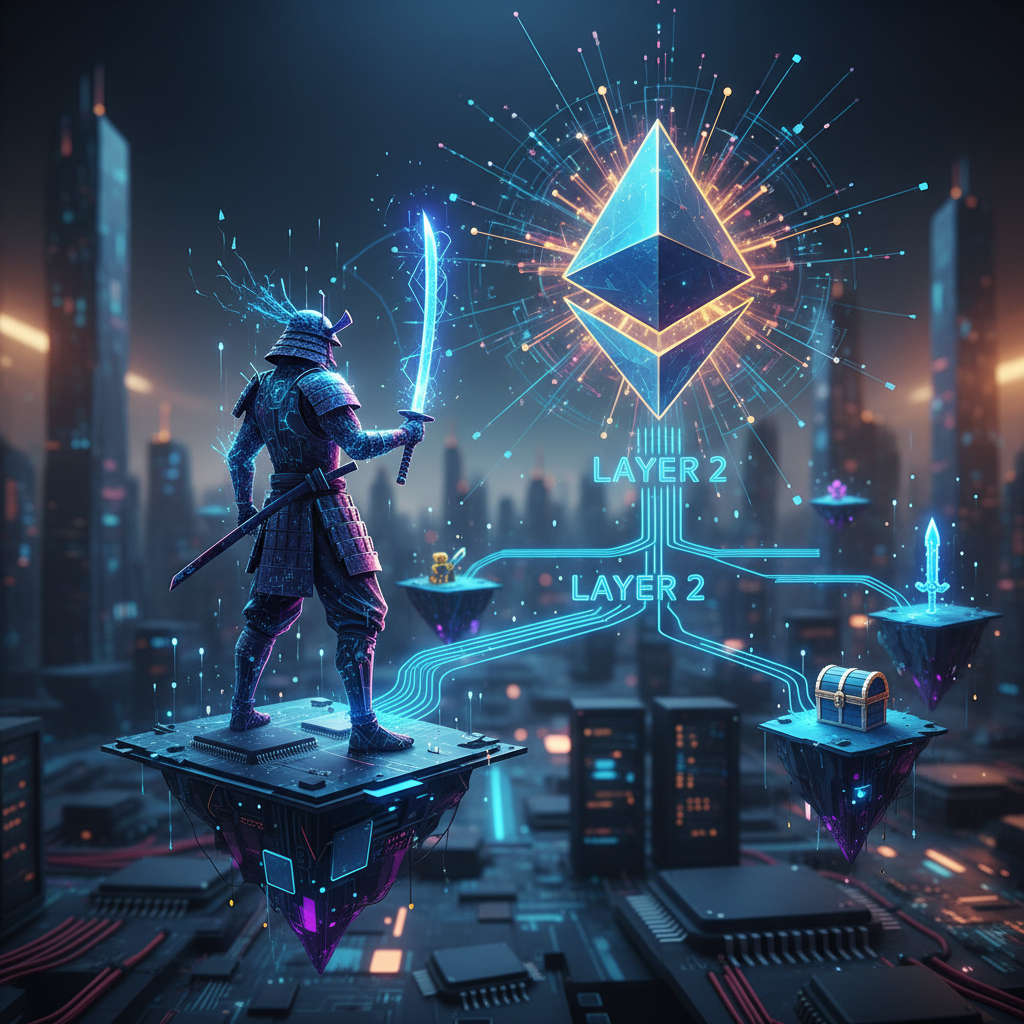
The Ronin Network, primarily known as the home of the popular farming simulation game Pixels, officially completed its migration to an Ethereum Layer 2 built on the OP Stack with EigenDA on May 12, 2026. This technical upgrade is a pivotal moment for the network, designed to drastically reduce transaction costs and improve overall efficiency. The migration is expected to slash RON inflation from over twenty percent to under one percent, making the ecosystem significantly more sustainable and attractive for developers and players alike.
Historically, high gas fees on the Ethereum mainnet presented a substantial barrier to entry and ongoing engagement for many blockchain games. By transitioning to an L2, Ronin aims to alleviate these issues, fostering an environment where micro-transactions—common in gaming for items, upgrades, and in-game actions—become economically feasible. This move aligns with a broader industry trend emphasizing scalability solutions to accommodate the growing user base and transaction volume within the gaming NFT sector. The global Gaming NFT market size is projected to grow from USD 12.85 billion in 2026 to USD 92.00 billion by 2034, indicating the increasing importance of efficient underlying infrastructure.
The Rise of Utility-Driven Gaming NFTs
The gaming sector remains a dominant force in the NFT market, with gaming NFTs capturing 38% of the total transaction volume in 2026. This highlights a clear shift from collectible-focused NFTs to those embedded with real-world utility and in-game functionality. Players are no longer just collecting digital assets; they are actively using them within vibrant, decentralized economies. This is evident in games like Pixels, where the RONIN migration will directly impact the player experience, particularly concerning in-game assets like NFT land parcels and pet minting. The April 15th Tier 5 update for Pixels, for instance, added new high-end industries accessible exclusively on NFT land parcels, further integrating NFTs into core gameplay.
Beyond Pixels, other play-to-earn titles are also marking significant milestones in May 2026. Heroes of Mavia, a free-to-play mobile MMO strategy game, launched the qualifiers for its first-ever Global Tournament on May 15, 2026, boasting a $10,000 prize pool. This event underscores the growing competitive aspect of blockchain gaming, where NFT ownership of land, heroes, and statues can be upgraded using in-game currency, adding layers of strategy and economic engagement.
Competitive Play and Economic Opportunities
The current state of NFT gaming reflects a maturation where gameplay and economic opportunities are intertwined. Projects that prioritize engaging mechanics and clear utility for their digital assets are thriving. Games such as RavenQuest, a pixel-art sandbox MMORPG on Immutable, and Illuvium, an auto-battler franchise on Ethereum and Immutable, continue to evolve their ecosystems, offering diverse ways for players to interact with NFT assets.
This period of growth and refinement sees developers focusing on transparent, decentralized ownership frameworks that attract both casual gamers and crypto-native audiences. The ability for players to truly own, buy, sell, and trade in-game items as NFTs with real-world value is fundamentally reshaping how value is perceived within virtual environments. The ongoing developments across various platforms and games this May cement the notion that the NFT market's future is increasingly tied to practical application and sustainable, user-driven economies, with gaming leading the charge.