
Bored Ape Yacht Club Launches P2P Marketplace, Signaling NFT's Shift to Tangible Utility
The Bored Ape Yacht Club (BAYC) ecosystem has taken a significant step towards integrating digital assets with real-world utility, announcing the launch of its new peer-to-peer (P2P) marketplace. This platform is designed to facilitate the exchange of not only digital collectibles but also physical apparel and art, marking a pivotal moment for one of the most prominent NFT collections in the Web3 space. The move, reported just hours ago, underscores a broader industry trend focusing on tangible benefits and expanded use cases for non-fungible tokens.
BAYC Forges Deeper Connections Between Digital and Physical Worlds
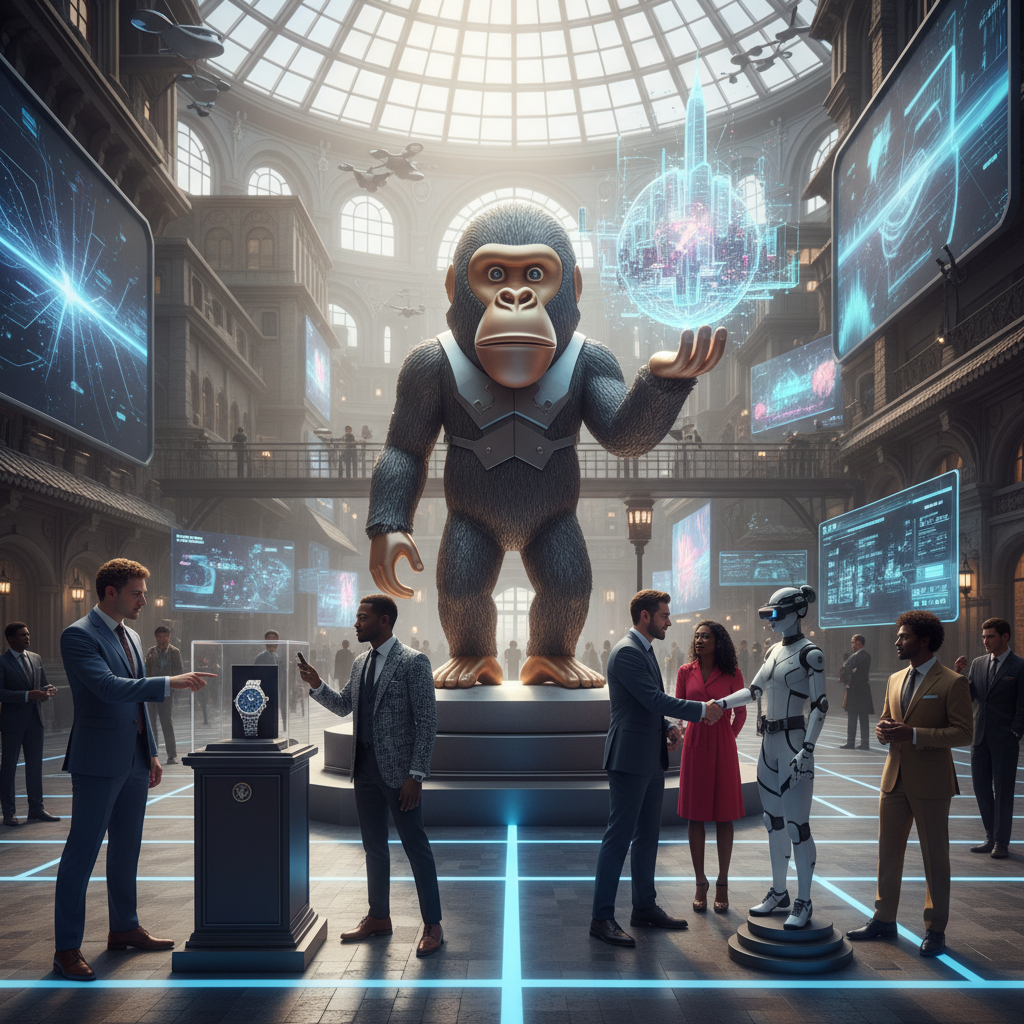
For years, NFTs have captivated audiences with their unique digital ownership propositions. However, the market has increasingly sought avenues that bridge the gap between virtual assets and real-world value. BAYC's new P2P marketplace directly addresses this demand by enabling holders to trade a range of items that extend beyond purely digital representations. This includes exclusive apparel, physical art pieces linked to their digital counterparts, and various collectibles, creating a more holistic ownership experience for its community members.
This initiative aligns with a growing sentiment across the NFT landscape, where projects are moving past mere speculative value and towards offering concrete utility. The focus is shifting towards 'phygital' products – the combination of physical and digital elements – which provides NFT holders with a more profound connection to their assets. Other blue-chip collections, such as Pudgy Penguins, have already demonstrated success with similar strategies, notably through real-world toy licensing agreements that have brought their digital characters into mainstream retail.
The creation of a dedicated P2P platform by Yuga Labs, the creators behind BAYC, streamlines the trading process for these diverse assets, potentially enhancing liquidity and engagement within its robust ecosystem. It also signifies a maturing approach, where established NFT projects are building out comprehensive infrastructures that cater to their communities' evolving needs and desires for utility-driven digital ownership. By offering a controlled environment for these exchanges, BAYC aims to bolster trust and reduce friction typically associated with off-platform trades of valuable physical goods tied to NFTs.
The Broader Evolution of the NFT Market: Utility Takes Center Stage
The launch of BAYC's marketplace is reflective of significant shifts occurring across the entire NFT market. After a period of initial speculative frenzy, the industry is increasingly emphasizing utility-first asset design. Reports indicate a strong demand for NFTs that offer embedded functionalities, such as token-gated community access, in-game assets, event ticketing, and loyalty rewards. This contrasts sharply with earlier market phases dominated by profile picture (PFP) collections whose value was primarily driven by scarcity and cultural cachet.
Market projections for non-fungible tokens remain robust, with the global NFT market size projected to grow from USD 46.0 billion in 2026 to an impressive USD 330.0 billion by 2034. Another report estimates the market at USD 60.82 billion in 2026, signaling sustained growth and adoption. This expansion is being driven by several factors, including the continuous development of the metaverse, increasing brand integrations within Web3, and advancements in blockchain scalability.
Gaming NFTs, in particular, continue to command a substantial share of market activity, accounting for 38% of the total transaction volume in 2026. This highlights the power of play-to-earn models and the verifiable ownership of in-game assets as key drivers for widespread NFT adoption. The growing focus on multi-chain architectures also aims to reduce entry barriers and improve user experience by allowing transactions across various blockchains seamlessly.
Furthermore, the emergence of financial instruments like NFT-backed credit cards, which allow verified digital assets to serve as collateral for real-world spending, points to a growing institutional interest and the financialization of NFTs. This evolving landscape signifies a market that is maturing, moving beyond initial hype to build sustainable ecosystems anchored in practical applications and real-world value.
Looking Ahead: The Future of Digital Collectibles
BAYC's foray into a dedicated P2P marketplace for both digital and physical items sets a precedent for how major NFT projects might evolve. By directly facilitating the trade of tangible assets linked to their digital counterparts, BAYC not only enhances the value proposition for its holders but also solidifies the concept of 'phygital' ownership as a cornerstone of the future digital economy. This strategic move contributes to the broader narrative of the NFT market's maturation, where utility, community engagement, and real-world integration are becoming paramount. As the industry continues to innovate, we can expect to see more projects exploring similar avenues, further blurring the lines between our digital and physical realities.