Bitcoin Miners Pivot to AI: Leveraging Infrastructure for High-Growth Computing
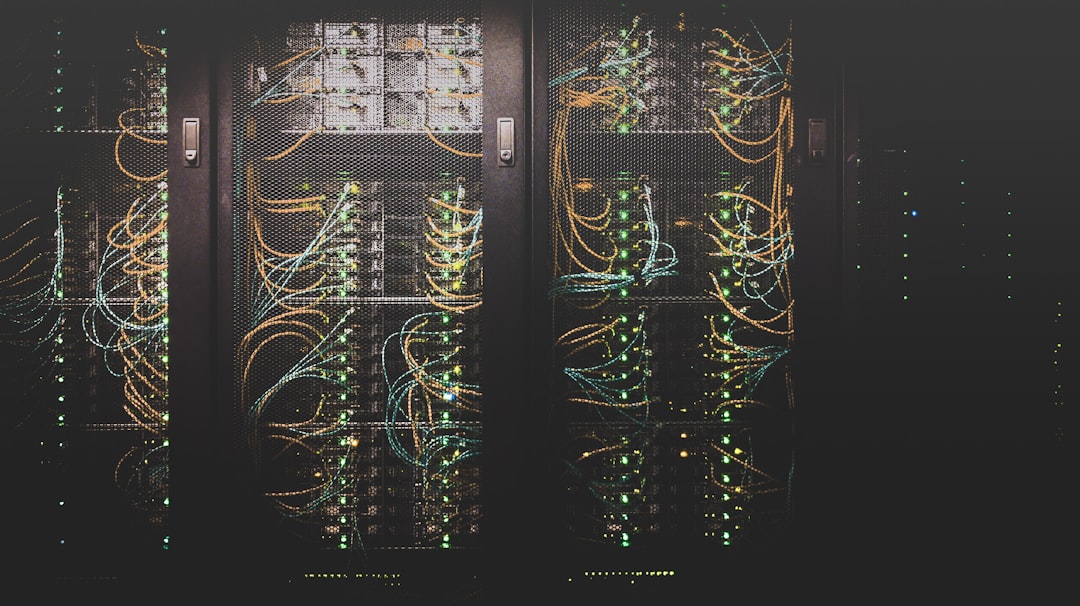
In a significant strategic shift echoing through the digital asset landscape, several prominent Bitcoin mining companies are increasingly redirecting their substantial energy infrastructure and data center capabilities towards artificial intelligence (AI) and high-performance computing (HPC) workloads. This pivot is not merely an opportunistic move but a calculated evolution for miners seeking to diversify revenue streams and capitalize on the booming AI sector, which promises potentially more stable and lucrative opportunities than crypto mining alone.
Recent market activity on Tuesday, May 26, 2026, saw a notable rally in the stocks of several publicly traded Bitcoin miners. Companies like TeraWulf (WULF), Hut 8 (HUT), IREN (IREN), and Riot Platforms (RIOT) closed with gains exceeding 5%, with TeraWulf surging by as much as 17% following news of a strategic acquisition. This investor enthusiasm underscores a growing recognition of these companies' untapped potential beyond their traditional Bitcoin operations, positioning them as critical players in the broader digital infrastructure domain.
From Hashrate to High-Performance Computing
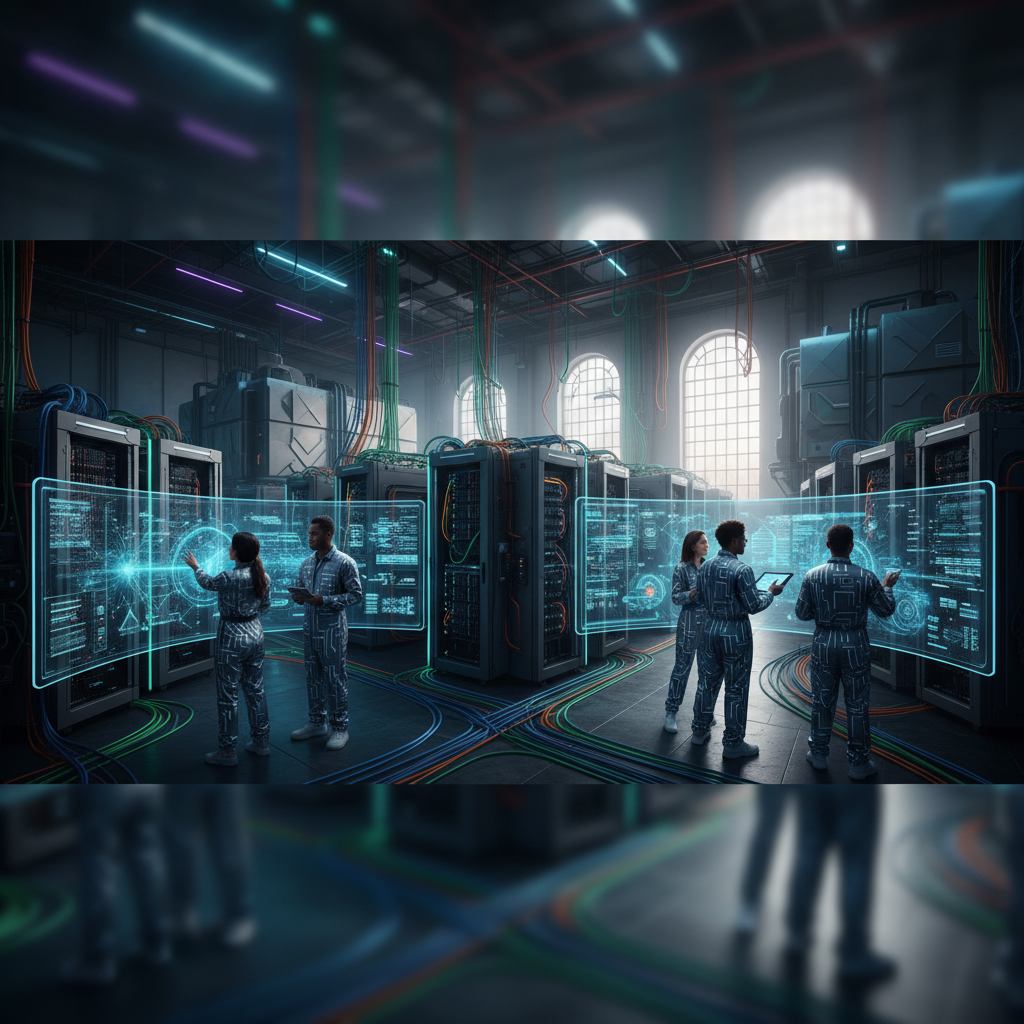
The transition into AI and HPC is a natural progression for many Bitcoin miners. Their existing operations are already built on a foundation of massive power capacity, advanced cooling systems, and extensive data center management expertise. These are precisely the resources in high demand by the computationally intensive AI industry. Bitcoin mining, by its nature, requires substantial and reliable energy sources to power specialized hardware (ASICs) that perform complex cryptographic calculations. This infrastructure, initially designed for competitive block rewards, is highly adaptable to the demands of AI model training, large language processing, and other HPC tasks.
A prime example of this strategic pivot is TeraWulf Inc., which announced the acquisition of a site in Eastern Kentucky specifically zoned to support a hyperscale data center. This new 'Muskie Data Campus' is designed to support over 1 gigawatt of power capacity, catering to AI and HPC workloads. This move comes as TeraWulf's high-performance computing business demonstrably surpassed its Bitcoin mining segment in the first quarter of 2026, generating approximately $21 million out of $34 million in total quarterly revenue. The company's CEO, Paul Prager, emphasized this shift, stating, “TeraWulf is fundamentally a power infrastructure company that builds digital infrastructure, not the other way around.” This sentiment resonates across the sector, highlighting a redefinition of identity for many firms.
Strategic Imperative and Market Validation
The diversification into AI/HPC is driven by several compelling factors. The highly volatile nature of cryptocurrency prices, coupled with the increasing computational difficulty of Bitcoin mining and the impact of halving events (which reduce block rewards, like the April 2024 halving that cut rewards to 3.125 BTC), has put pressure on miners' profitability. Repurposing existing assets for AI offers a pathway to more stable and potentially higher-margin revenue streams, mitigating some of the inherent risks of a solely crypto-focused business model.
Moreover, the broader market is increasingly validating this strategy. The recent rally in Bitcoin mining stocks occurred amidst a general surge in equity markets, particularly in the technology and semiconductor sectors. The S&P 500 index reached new record highs, driven by optimism around AI productivity gains. The Philadelphia Semiconductor Index, tracking major U.S. chipmakers, also saw a substantial 5.6% surge on Tuesday, reflecting the intense demand for computing power. Bitcoin miners, with their established access to large-scale power and data center expertise, are seen as critical enablers for this accelerating AI infrastructure buildout. This synergistic relationship blurs the lines between traditional digital infrastructure providers and crypto-native companies, creating a new breed of technology firms.
As the artificial intelligence revolution continues to unfold, Bitcoin miners are uniquely positioned to evolve beyond their initial mandate. By leveraging their robust power and data infrastructure, they are not only enhancing their own financial resilience but also becoming integral contributors to the global high-performance computing ecosystem. This strategic pivot marks a significant maturation for the crypto mining industry, transforming it into a versatile and essential component of the burgeoning digital economy.