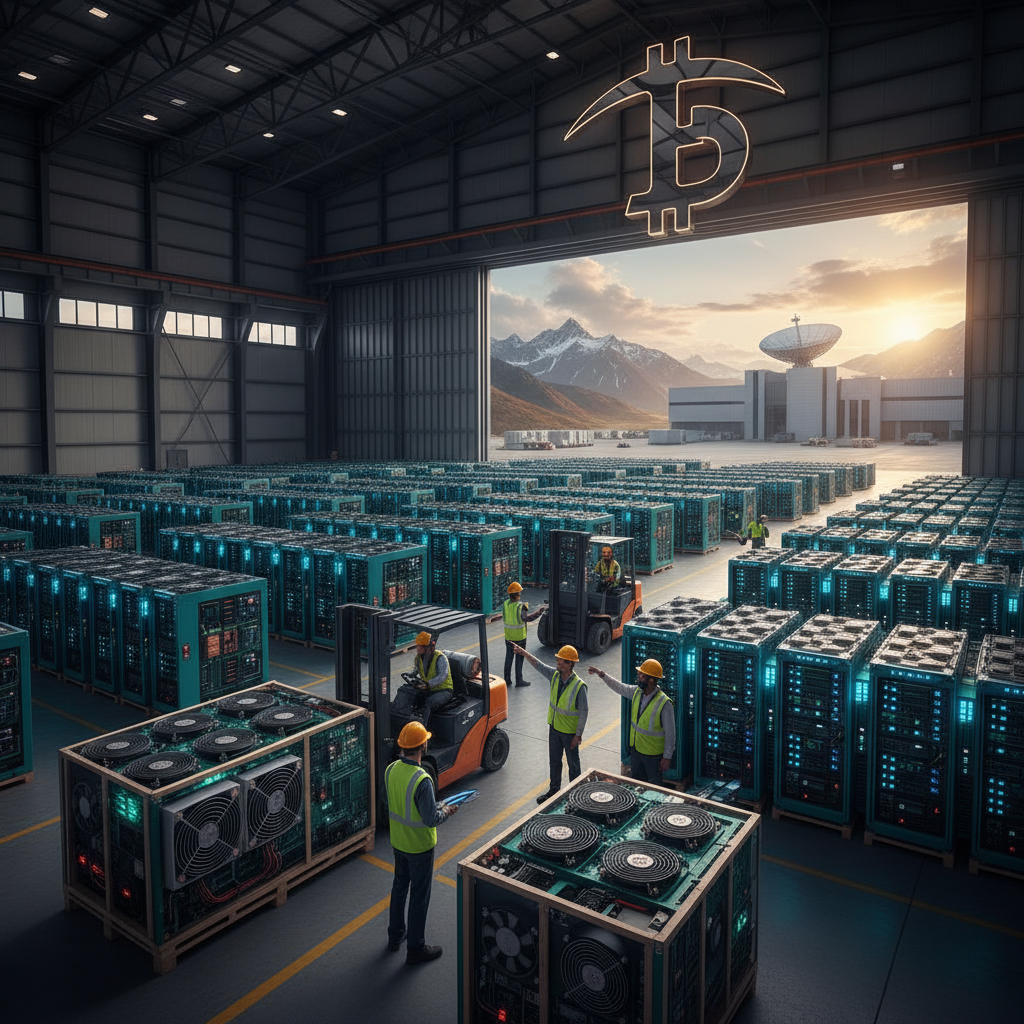
American Bitcoin Expands Mining Fleet, Bucks AI Trend with Bold Acquisition
American Bitcoin, a key subsidiary of crypto mining giant Hut 8, has significantly bolstered its Bitcoin mining operations by acquiring over 11,000 new ASIC miners. This strategic expansion, executed between March and April 2026, sees the company defy a growing industry trend towards artificial intelligence (AI) infrastructure, instead doubling down on its pure Bitcoin mining focus.
The move comes at a time when many competitors are pivoting resources to high-performance computing (HPC) and AI, leading to a notable shift in the ASIC hardware market. American Bitcoin’s calculated acquisition capitalizes on this dynamic, leveraging reduced prices for mining equipment as others diversify their focus.
Strategic Expansion Amidst Market Realignments
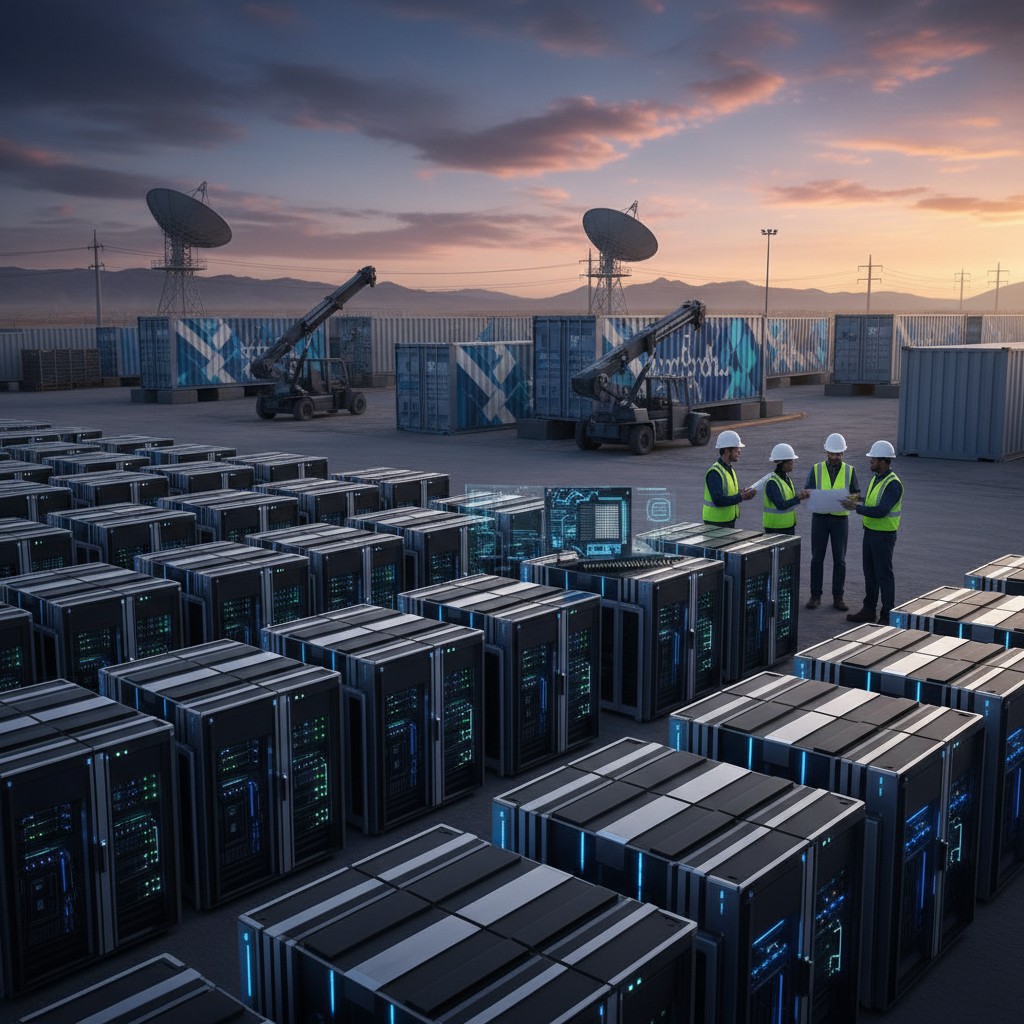
Between March and April 2026, American Bitcoin activated precisely 11,298 new Application-Specific Integrated Circuit (ASIC) miners. This substantial addition has increased the company's total operational fleet to nearly 59,000 units, significantly boosting its hashing capacity to approximately 25 exahashes per second (EH/s).
The timing of this expansion is particularly noteworthy. The Bitcoin mining industry has seen a broader realignment, with major players such as Marathon Digital Holdings and CleanSpark increasingly redirecting capital and resources toward AI and HPC initiatives. This pivot has inadvertently created a 'buyer's market' for Bitcoin mining hardware, as demand for traditional ASICs from diversified firms wanes. American Bitcoin has seized this opportunity, acquiring machines at what are likely depressed prices.
For an international audience, ASICs are specialized computers designed to efficiently solve the complex cryptographic puzzles required to verify transactions and add new blocks to the Bitcoin blockchain. Hashing capacity, measured in exahashes per second (EH/s), indicates the total computing power a miner contributes to the network. A higher hashrate increases a miner's chances of solving a block and earning the block reward, which primarily consists of newly minted Bitcoin and transaction fees.
The Enduring Allure of Pure Bitcoin Mining
American Bitcoin's strategy stands in stark contrast to the prevailing industry narrative post the 2024 Bitcoin halving event. The halving, a pre-programmed event that occurs approximately every four years, reduces the reward for mining new blocks by half. This historically leads to tighter margins for miners, often prompting a re-evaluation of operational efficiency and diversification strategies.
Despite the post-halving pressures and the allure of potentially higher-margin AI contracts, American Bitcoin remains steadfast in its commitment to pure Bitcoin mining. The company reportedly maintains all-in mining costs of around $50,000 per Bitcoin, a critical metric for profitability in a volatile market.
This dedication to a Bitcoin-only approach is underpinned by a focus on efficiency and access to low-cost energy sources, particularly in Canada where Hut 8, its parent company, has significant operations. Such a focused strategy aims to maximize Bitcoin accumulation at a structural advantage, as highlighted by company co-founder and Chief Strategy Officer, Eric Trump, who has previously emphasized growing American-owned, professionally operated hashrate.
The divergence in strategies within the mining sector highlights a growing bifurcation: one segment pursuing the expanding opportunities in AI and HPC, and another maintaining a laser focus on the foundational asset of the crypto economy. While the former seeks to leverage existing infrastructure for new revenue streams, the latter, exemplified by American Bitcoin, appears confident in the long-term value proposition and profitability of dedicated Bitcoin mining.
Outlook for a Specialized Sector
American Bitcoin's bold expansion could be a bellwether for the resilience and specialized nature of the Bitcoin mining industry. By exploiting temporary market inefficiencies caused by the AI gold rush, the company positions itself to potentially gain market share and enhance its Bitcoin holdings without incurring the higher costs typically associated with such significant fleet upgrades.
The ongoing dynamic between the demand for AI infrastructure and the supply of ASIC miners will likely continue to influence hardware pricing and the strategic decisions of mining companies globally. For investors and industry observers, monitoring ASIC hardware prices and Bitcoin’s market performance relative to these specialized mining operations remains crucial in assessing the future trajectory of this evolving sector. The emphasis on low-cost energy and operational efficiency, as demonstrated by American Bitcoin, will undoubtedly remain paramount for sustained success in the competitive landscape of cryptocurrency mining.