
Bitcoin Miners Face Liquidation as Costs Outpace BTC Price
The global Bitcoin mining industry is grappling with one of its most punishing economic contractions to date. According to fresh analysis from Wall Street investment giant JPMorgan, crypto mining operations may be actively selling off their accumulated treasury reserves after Bitcoin's market valuation plummeted roughly $26,000 below the estimated baseline cost of production. With network competition hovering near all-time records and transaction fee revenue dwindling to historic lows, miners are finding their margins compressed into negative territory.
A Widening Chasm Between Mining Costs and Spot Value
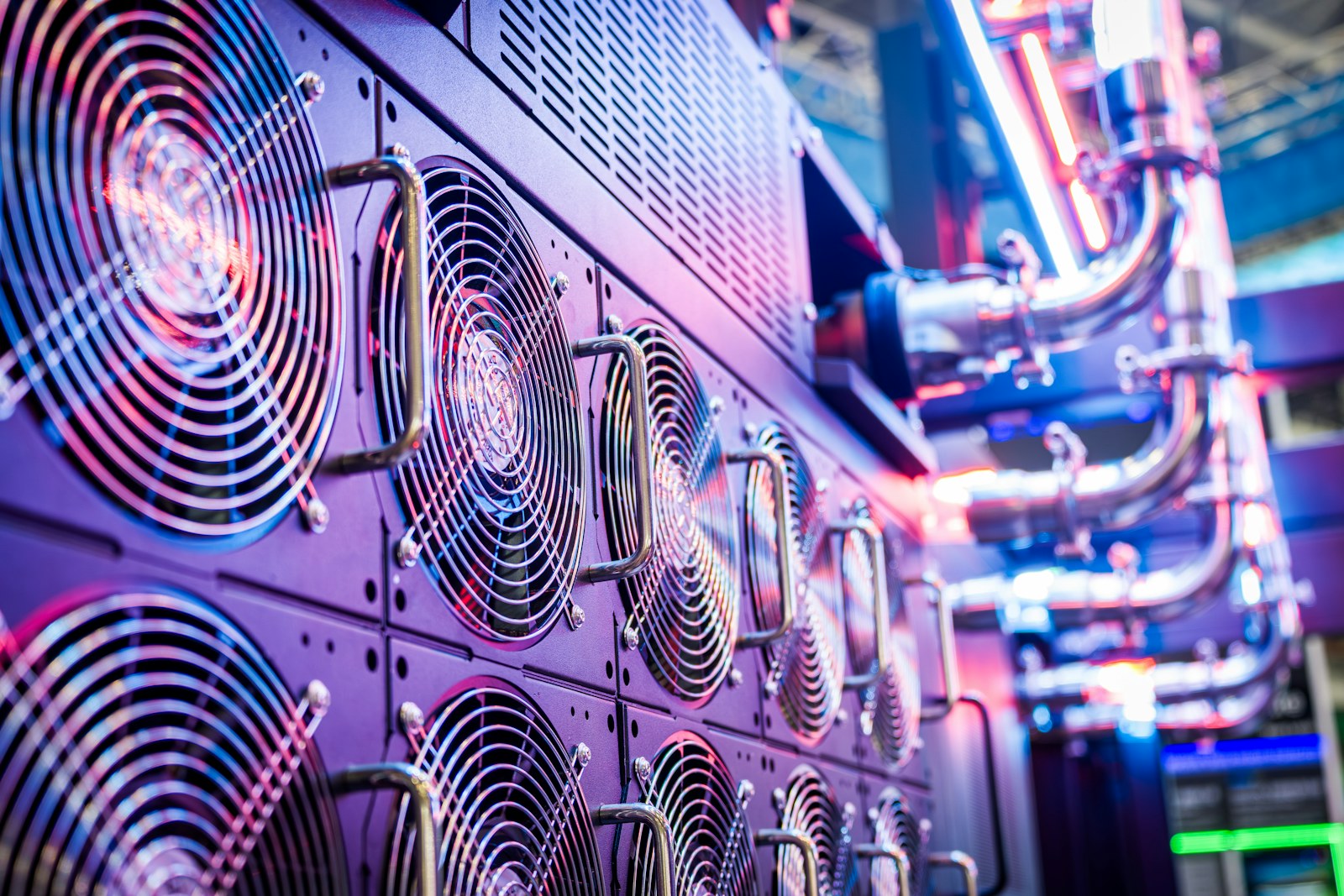
In a research note spearheaded by managing director Nikolaos Panigirtzoglou, JPMorgan analysts calculated that the current production cost to extract a single Bitcoin sits around $86,000. Following the cryptocurrency's recent downward slide toward the $55,000 to $60,000 range, miners are confronted with a substantial operating shortfall. Producing digital tokens at an ongoing loss has created acute balance sheet stress for both enterprise-grade operations and private mining facilities.
Key market profitability indicators illustrate the depth of the downturn. The network's hashprice—the industry-standard metric quantifying daily mining revenue generated per unit of computational output—plunged to record lows between $26.16 and $28 per petahash per second (PH/s). Compounding the pressure is an almost total absence of fee support. Transaction fees have shrunk to represent a meager 0.64% of total block rewards, placing annual fee earnings on track for their weakest showing in over a decade. Without the cushion of high network congestion fees, mining revenue remains dangerously tethered to spot prices.
Hashrate Rebounds Past 1 ZH/s Despite Profit Strains
Paradoxically, the physical security and processing capacity of the Bitcoin network have not buckled under the economic strain. After a temporary dip toward 912 exahashes per second (EH/s) earlier in the month, total computational power quickly rebounded, reclaiming the historic benchmark of one zettahash per second (1 ZH/s or 1,000 EH/s). High-efficiency ASIC hardware deployments continue to come online from previously committed capital expenditures, keeping network competition intense.
This relentless computing expansion is setting the stage for additional headwinds. The network's automated difficulty adjustment mechanism is poised to push difficulty upward in the coming days, making it mathematically harder for miners to mint blocks. For operators with unhedged energy contracts or older hardware generations, the upcoming adjustment could trigger forced operational shutdowns. JPMorgan's analysis emphasizes that relief will likely emerge only after unprofitable miners decommission legacy hardware, which would ease network difficulty and restore financial equilibrium.
Treasury Liquidations and the Accelerated Pivot to AI
To stay solvent, service equipment debt, and maintain operational continuity, miners are adopting aggressive defensive tactics. On-chain activity indicates a growing flow of coins moving from miner-affiliated wallets onto centralized trading desks, confirming that operators are tapping into their reserves to cover day-to-day power overhead. This sustained selling pressure introduces further price headwinds for the broader cryptocurrency market.
At the same time, the margin crisis is accelerating an industry-wide pivot away from pure-play cryptocurrency extraction toward artificial intelligence and high-performance computing (HPC) data center infrastructure. Major public mining entities are actively reallocating contracted gigawatts of electrical capacity to host AI workloads, securing predictable long-term revenues while mitigating direct exposure to digital asset volatility. As high-cost participants either liquidate holdings or exit to AI compute, the Bitcoin mining ecosystem is entering a critical phase of structural consolidation.
Cover photo: WhisperToMe / CC0, via Wikimedia Commons