
SEC Halts Tokenized Stock Exemption, Casting Shadow on DeFi Integration
The U.S. Securities and Exchange Commission (SEC) has reportedly postponed the highly anticipated release of its “innovation exemption,” a framework that would have allowed digital tokens representing shares of publicly traded companies to be traded on decentralized finance (DeFi) platforms. This unexpected delay marks a cautious turn in the regulatory landscape for tokenized real-world assets (RWAs) and their integration into the burgeoning DeFi ecosystem.
The decision, reported on May 22, 2026, comes as the agency re-evaluates extensive feedback from traditional financial market participants, who expressed significant concerns about the potential implications of such a move.
The Ambitious Vision of On-Chain Equities
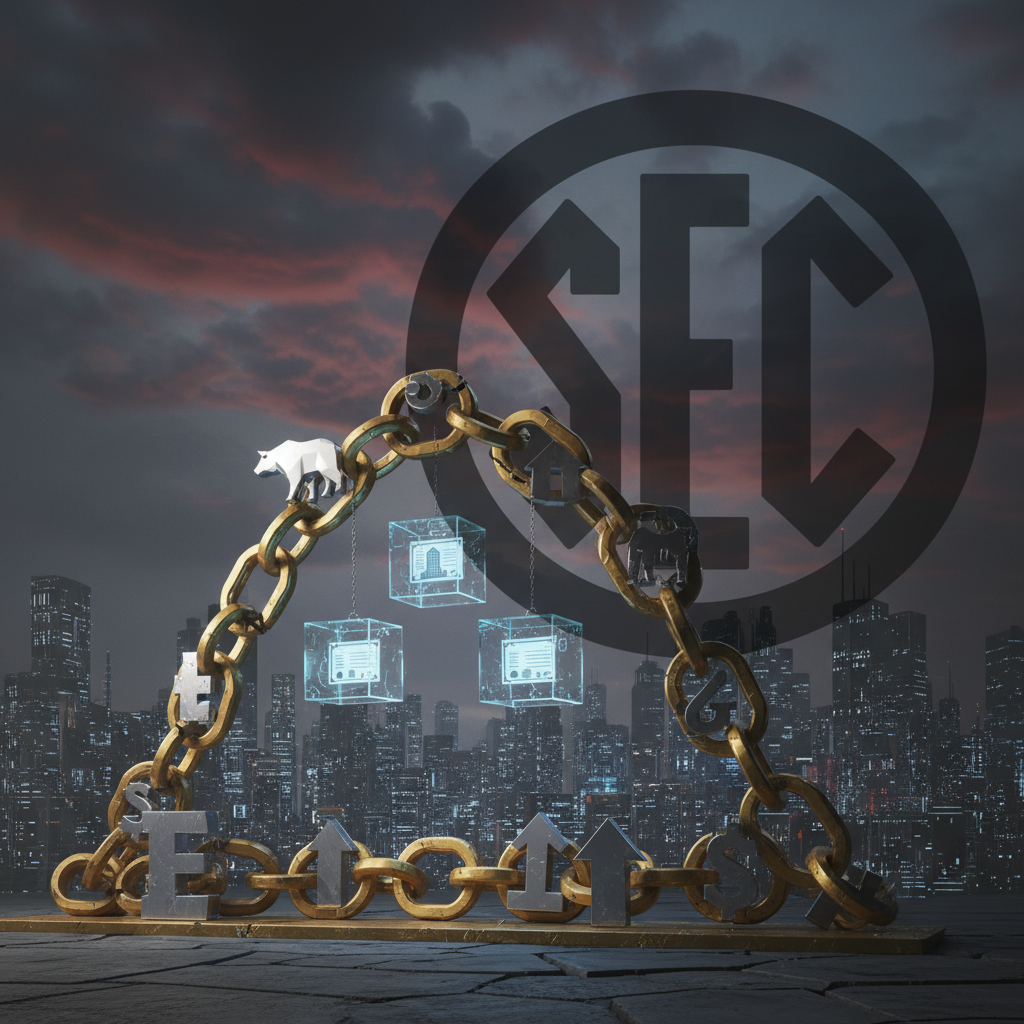
The now-delayed “innovation exemption,” also known as “Project Crypto,” was an initiative spearheaded by SEC Chair Paul Atkins, aimed at streamlining crypto regulations in alignment with the current administration's pro-crypto agenda. At its core, the framework sought to establish a new regulatory pathway for third-party tokens—digital representations of stocks from companies like Apple, Nvidia, or Tesla—to be issued and traded. Crucially, these tokens could have been created and listed on decentralized crypto platforms without the explicit consent of the underlying public companies.
The allure for DeFi was clear: it promised to enable 24/7 trading of these tokenized stocks, effectively bypassing the conventional operating hours and constraints of traditional stock exchanges. This move was seen as a significant step towards bridging the gap between traditional capital markets and decentralized finance, offering unprecedented liquidity and accessibility to a new class of assets within the blockchain space. However, a contentious point revolved around shareholder rights; these tokenized versions might not inherently carry traditional rights such as voting or dividends. The SEC was reportedly considering mandating platforms to provide such rights or face delisting, indicating a struggle to align DeFi's permissionless nature with existing investor protections.
Traditional Finance Voices Concerns
The primary reason cited for the SEC's postponement is the robust feedback received from established financial institutions and stock exchanges. Organizations like the World Federation of Exchanges, whose members include major players such as Nasdaq, Cboe, and CME Group, had previously voiced strong opposition. In a letter dating back to November 2025, they warned the SEC that granting such exemptions could “dilute” existing investor protections and “distort” competition. Their concern stemmed from the potential for crypto exchanges to gain a regulatory shortcut, creating an uneven playing field compared to traditional markets bound by more stringent oversight.
This pushback underscores the ongoing tension between fostering innovation in decentralized technologies and upholding the regulatory standards designed to protect investors and maintain market integrity. The delay suggests that the SEC is taking a more cautious approach, prioritizing a thorough assessment of potential risks and market disruptions before implementing sweeping changes that could redefine how equities are traded.
Implications for DeFi and RWA Tokenization
For the decentralized finance sector, this delay represents a temporary setback for the broader integration of real-world assets, particularly publicly traded equities. While the tokenized RWA market has seen significant growth, surging past $65 billion amidst institutional inflows (as previously reported by ebitpress), the ability to seamlessly onboard highly liquid traditional stocks into DeFi protocols has long been a key target for mainstream adoption. The innovation exemption would have provided a clear, albeit controversial, pathway for this.
The promise of tokenized stocks in DeFi is vast, encompassing enhanced liquidity, fractional ownership, and global accessibility. However, the regulatory uncertainties surrounding these assets, especially concerning investor rights and market manipulation, remain significant hurdles. The SEC's decision highlights that while the appetite for bringing traditional assets on-chain is strong, the regulatory framework is still struggling to adapt to the unique characteristics of blockchain technology without compromising established safeguards. The DeFi community will now likely await further clarity from regulators, as the path forward for tokenized equities remains under scrutiny and subject to a delicate balance between innovation and regulation. This ongoing dialogue is crucial for the responsible and sustainable growth of decentralized financial markets.