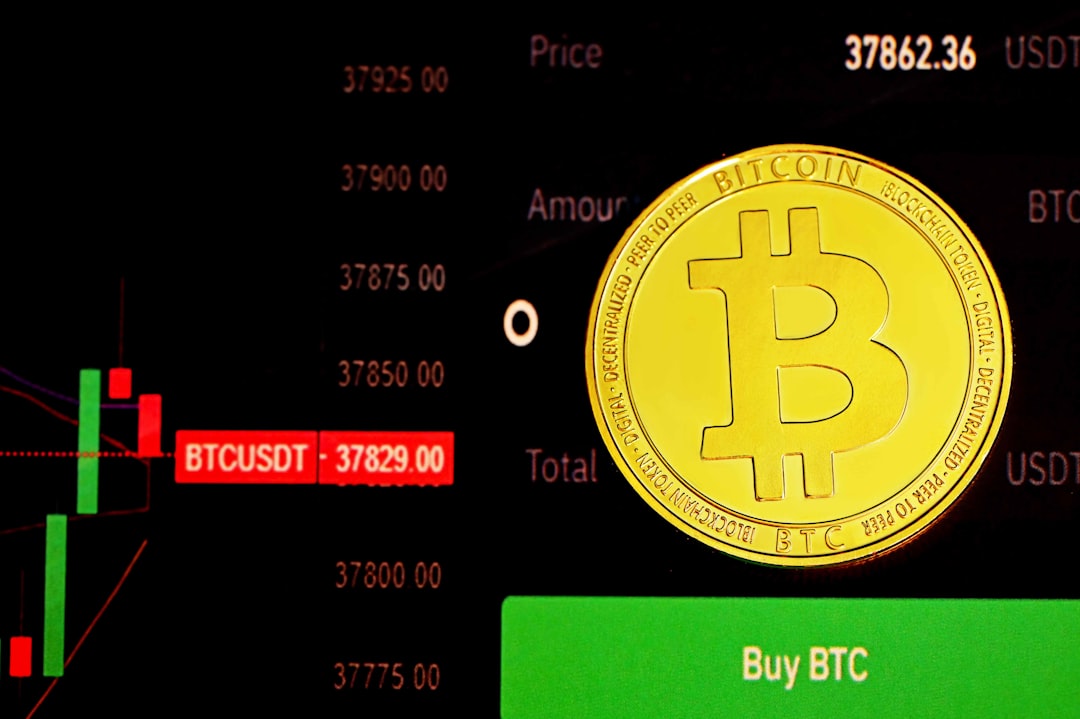
Bitcoin Surges Past $72K as Geopolitical Tensions Ease
Bitcoin, the world's leading cryptocurrency, experienced a notable surge in its value today, climbing above the $72,000 mark. This impressive rally, representing a nearly 5% increase over a 24-hour period, according to CoinGecko, comes amidst reports of a two-week ceasefire agreement between the United States and Iran to facilitate ongoing peace talks. The broader cryptocurrency market mirrored Bitcoin's positive momentum, with Ethereum also posting significant gains.
The swift uptick in Bitcoin's price underscores the digital asset's increasing sensitivity to global geopolitical developments and its perceived role within a volatile macro-economic landscape. Investors and analysts keenly watch how such events influence market sentiment and capital flows within the crypto space.
Geopolitical Tensions and Market Volatility

The recent price movement in the crypto market highlights the intricate relationship between global political stability and digital asset valuations. Prior to the ceasefire announcement, escalating tensions between the US and Iran had cast a shadow over financial markets worldwide, leading to a temporary sell-off across various asset classes, including cryptocurrencies. Reports indicated President Donald Trump's earlier warnings of potential military action against Iran, which had contributed to market apprehension and a decline in Bitcoin's price below $70,000.
Geopolitical instability often drives volatility, and the cryptocurrency market is no exception. Traditional financial wisdom suggests that during periods of uncertainty, investors tend to flock to safe-haven assets. However, Bitcoin's unique characteristics, including its decentralized nature and limited supply, have led some to view it as a digital alternative to traditional safe havens like gold, particularly in an environment where fiat currencies might be subject to inflationary pressures. The interplay between rising energy prices, potential inflation, and central bank monetary policies, such as interest rate cuts, often impacts the liquidity available for risk-on assets like Bitcoin. When energy prices surge, inflation concerns grow, potentially leading central banks to postpone rate cuts, which can restrict the liquidity flow that benefits crypto markets.
Bitcoin's Resilience Amidst Shifting Dynamics

Despite the inherent volatility, Bitcoin's quick rebound following the de-escalation of tensions demonstrates its underlying resilience and the growing maturity of the crypto market. While traditional markets have historically seen sell-offs during immediate bombing campaigns, recent trends suggest that institutional investors are increasingly augmenting their positions in digital assets, even during periods of geopolitical flux. This shift indicates a evolving understanding of Bitcoin's place in diversified investment portfolios.
The current market dynamics also reflect a broader trend where digital assets are becoming more integrated into the global financial system. As more institutional players enter the space and regulatory frameworks evolve, the impact of external events on Bitcoin's price becomes a critical factor for both retail and institutional investors to monitor. The ability of Bitcoin to quickly recover losses and surge in response to positive geopolitical news reinforces the narrative that it is a dynamic asset, capable of reacting swiftly to changing global circumstances. Its performance is increasingly a barometer for broader financial sentiment, moving beyond its initial niche to become a significant asset class influenced by, and influencing, global events.