Bitcoin ETFs Face Historic Outflows, Shifting Market Sentiment
U.S. spot Bitcoin Exchange-Traded Funds (ETFs) are currently navigating a significant period of capital withdrawal, with recent data indicating an eight-day consecutive streak of net outflows. This sustained selling pressure has notably impacted market sentiment and Bitcoin's price, reversing earlier year-to-date gains for the ETF sector into negative territory.
Highlighting the severity of the trend, BlackRock’s iShares Bitcoin Trust (IBIT), one of the largest and most successful spot Bitcoin ETFs since its launch, recorded its second-largest daily outflow on record. This single-day event contributed significantly to the broader market withdrawals, signaling a cautious stance among institutional investors.
Unprecedented Outflow Streak for Spot Bitcoin ETFs

The past week has seen a dramatic shift in the landscape of U.S. spot Bitcoin ETFs. Cumulative withdrawals have reportedly reached approximately $2.6 billion over an eight-day period, underscoring a prevailing risk-off sentiment in the market.
On May 27 alone, U.S. spot Bitcoin ETFs experienced net outflows totaling $733.4 million, with BlackRock's IBIT accounting for a substantial $527.8 million of that figure. This marks IBIT's second-highest daily loss since its inception, just shy of its record $528.3 million outflow in January 2026. Fidelity and Grayscale's GBTC also contributed to the negative flow, with Grayscale offloading approximately 1,533 BTC valued at around $114.7 million. These substantial redemptions have pushed the year-to-date net flows for all U.S. spot Bitcoin ETFs into a negative balance of roughly $596 million, marking a significant recalibration of institutional interest after a strong start to 2026.
Understanding ETF flows is crucial for market analysis. Inflows occur when investors buy new shares of a fund, adding capital, while outflows happen when investors sell shares, pulling money out. Therefore, sustained net outflows suggest that capital is exiting these regulated investment vehicles, often indicating a reduction in risk exposure or a pessimistic short-term outlook on the underlying asset, Bitcoin.
Bitcoin's Price Reacts to Shifting Sentiment
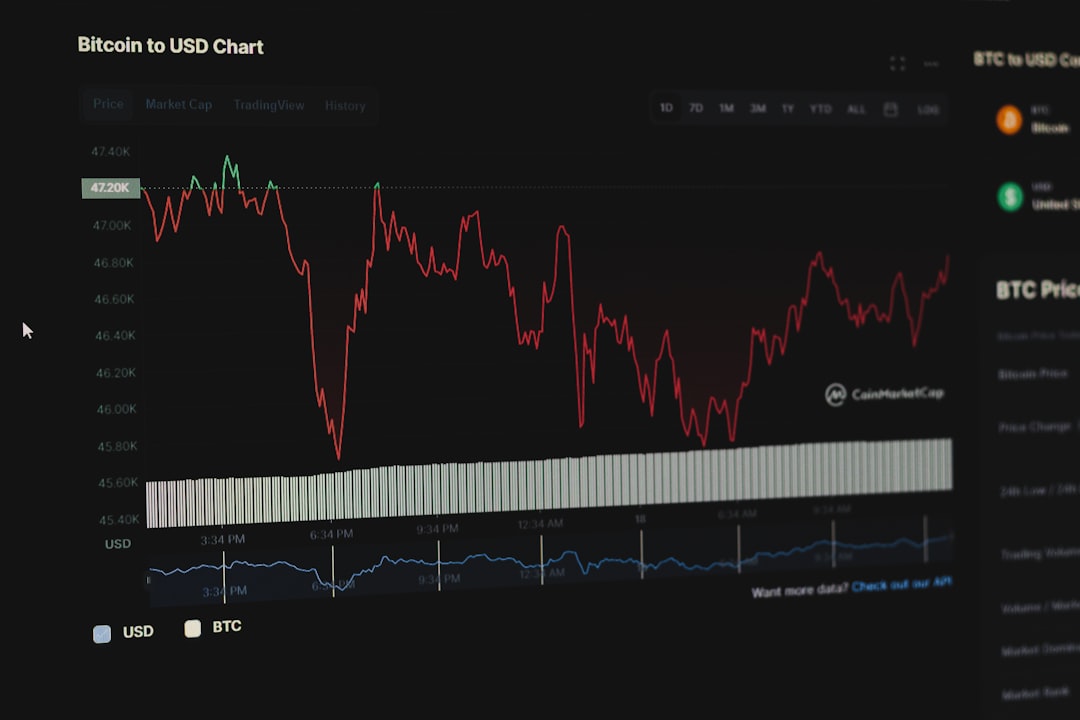
The intensifying ETF outflows have not occurred in isolation; they coincide with a notable dip in Bitcoin's price. The cryptocurrency has slipped below the $75,000 mark, trading around $73,500 at the time of writing, reflecting a multi-day decline. Analysts are closely watching key support levels, with some suggesting that $70,000 could become the next major price floor if selling pressure persists.
While Bitcoin's volatility is well-known, the current downturn appears to be influenced by a confluence of factors, including the direct impact of institutional selling via ETFs, broader macroeconomic uncertainties, and ongoing geopolitical tensions. The collective action of large asset managers reducing their Bitcoin exposure sends a strong signal to the wider market, impacting individual investor confidence and trading strategies.
Despite this short-term bearish pressure, it is important to provide context. The institutional adoption of Bitcoin, largely facilitated by these very ETFs, has been a defining narrative of the past couple of years. While current outflows indicate tactical adjustments, many long-term holders have not shown widespread signs of capitulation, suggesting that some of the selling may be short-term positioning rather than a complete loss of faith in Bitcoin's long-term value proposition.
The current market dynamics highlight the increasing interconnectedness between traditional financial markets and the digital asset space. As Bitcoin ETFs continue to mature, their flow data will remain a critical indicator for gauging institutional sentiment and its immediate effects on Bitcoin's price and overall market health.