Bitcoin ETFs See Renewed Surge with $471 Million Inflows
Institutional investment in Bitcoin has demonstrated a powerful resurgence, with U.S. spot Bitcoin Exchange-Traded Funds (ETFs) recording a substantial $471.32 million in net inflows on April 6, 2026. This impressive single-day performance marks the strongest intake for these funds since February 25, 2026, and stands as the sixth-largest inflow day recorded in 2026, signaling robust institutional confidence in the leading cryptocurrency.
The renewed capital influx has propelled the total cumulative net inflows for these Bitcoin ETFs to an impressive $56.43 billion, with their combined assets under management (AUM) once again exceeding the $90 billion mark. This notable turnaround follows a period of mixed performance, underscoring a strategic pivot by major financial players to deepen their exposure to digital assets.
Leading the Institutional Charge

A closer look at the data reveals that several prominent institutional players spearheaded this significant inflow. BlackRock’s iShares Bitcoin Trust (IBIT) led the charge, attracting approximately $181.89 million in fresh capital. Fidelity’s Wise Origin Bitcoin Fund (FBTC) followed closely with $147.32 million, while the ARK 21Shares Bitcoin ETF (ARKB) secured $118.76 million. Notably, the inflow for ARKB represents its largest daily intake since July 10, 2025, highlighting a concentrated push from these major funds. Together, these three ETFs accounted for roughly 95% of the total inflows on April 6, demonstrating their dominant role in shaping institutional Bitcoin demand.
This concentrated institutional buying suggests that despite broader market uncertainties, large-scale investors are viewing current Bitcoin price levels as an opportune moment for accumulation. The sustained interest from such powerful financial entities further legitimizes Bitcoin as a mainstream asset class and indicates a long-term strategic allocation rather than short-term speculative plays. The approval of spot Bitcoin ETFs earlier in 2024 fundamentally altered market dynamics, absorbing over 1.13 million BTC and creating unprecedented institutional demand that continues to influence price movements and market structure.
Market Implications Amidst Shifting Dynamics

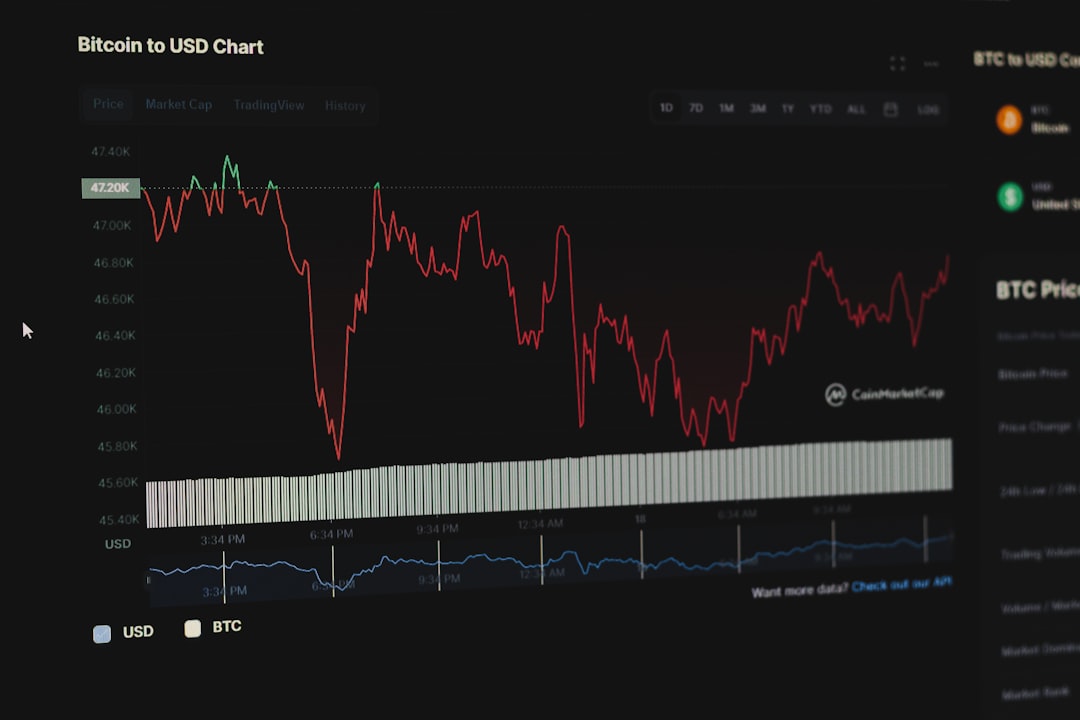
The substantial inflows on April 6 coincided with Bitcoin briefly touching the $70,000 threshold before settling back below $69,000. This price action, while volatile, points to the underlying demand supported by institutional backing. The broader cryptocurrency market has been navigating a complex landscape, marked by ongoing geopolitical pressures and renewed discussions surrounding the theoretical concept of Bitcoin's quantum resistance. Despite these concerns, the consistent institutional buying suggests a strong foundational support for Bitcoin's value proposition.
Interestingly, recent analysis from Binance Research indicates a notable shift in Bitcoin's behavior. Following the launch of spot Bitcoin ETFs, Bitcoin's correlation with the Global Easing Breadth Index – which tracks 41 central banks – has turned strongly negative. This suggests that ETF-driven institutional flows are increasingly forward-looking, strategically positioning for anticipated monetary policy shifts. This decoupling from traditional tech stocks and closer alignment with macroeconomic trends signifies Bitcoin's maturation into a distinct macro asset.
Furthermore, a significant trend identified in Q1 2026 highlights a 'blood exchange' within the Bitcoin market. Retail investors collectively divested approximately 62,000 BTC, while institutional entities concurrently acquired around 69,000 BTC during the same period. This redistribution of ownership from speculative retail holdings to more strategic institutional long-term positions may pave the way for a 'slow bull' market, characterized by enhanced price stability and reduced volatility. This evolving market structure indicates that institutional capital is increasingly acting as the primary source of marginal demand, offsetting selling pressure from other segments and contributing to Bitcoin's ability to maintain its current price range.