Bitcoin ETFs Face Major Outflows Amidst Macroeconomic & Geopolitical Shifts
Bitcoin Exchange-Traded Funds (ETFs) have recently experienced a significant reversal in investor sentiment, recording substantial outflows in the past week. This downturn marks the first negative week for digital asset investment products in seven weeks and represents the third-largest weekly outflow of 2026, totaling $1.07 billion. Bitcoin ETFs bore the brunt of this shift, accounting for $982 million of these outflows, with major players like BlackRock's IBIT contributing significantly to the selling pressure.
Macroeconomic Headwinds and Geopolitical Concerns

The pronounced outflows are largely attributed to a confluence of macroeconomic factors and rising geopolitical tensions. Analysts point to escalating "Iran-related tensions" as a contributing factor to the risk-off environment gripping the market. More broadly, the shifting stance of the Federal Reserve is playing a critical role. The CME FedWatch tool now indicates a 54.1% probability of a rate hike at the December 2026 Federal Open Market Committee (FOMC) meeting, a significant pivot from earlier expectations of potential easing.
This renewed hawkish outlook from the Fed has a direct impact on non-yielding assets like Bitcoin. As risk-free yields on traditional assets such as Treasury bonds climb, they become more attractive to institutional investors, drawing capital away from more volatile cryptocurrencies. The narrative that Bitcoin would benefit from cooling inflation and subsequent Fed easing is now facing a challenging opponent in a rates market that is debating renewed tightening.
Bitcoin's Price Struggles and Altcoin Resilience
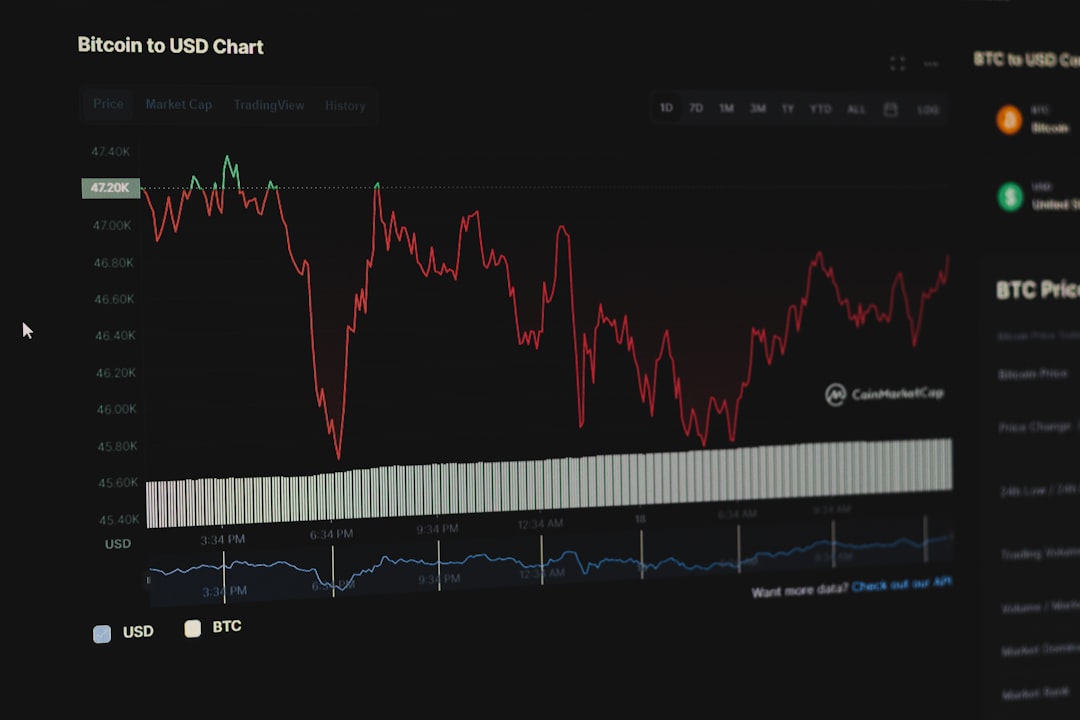
The institutional divestment from Bitcoin ETFs has naturally coincided with downward pressure on Bitcoin's price. The flagship cryptocurrency has seen its value decline from recent highs of approximately $82,847 to trade around $76,796. Bitcoin is currently struggling to maintain crucial support levels, hovering near its 50-day and 100-day moving averages. Technical analysis suggests that a sustained move below these key indicators could signal further downside potential, possibly towards the $70,000 mark.
In stark contrast to Bitcoin's struggles, the broader digital asset ecosystem is witnessing a curious divergence. While Bitcoin ETFs face a wave of redemptions, certain altcoins have demonstrated remarkable resilience, attracting fresh capital. XRP and Solana, for instance, recorded inflows of $67.6 million and $55.1 million, respectively. This selective inflow into alternative cryptocurrencies suggests that investors are increasingly looking beyond Bitcoin and Ethereum for diversified exposure within the digital asset market, potentially driven by unique project developments or perceived undervaluation.
The Shifting Institutional Landscape
May's significant outflows represent a stark departure from April, which saw Bitcoin ETFs attract approximately $2 billion in net inflows, making it the strongest monthly total for 2026 at that time. This recent reversal raises critical questions about the sustained institutional demand for Bitcoin in the face of evolving macroeconomic conditions. While some analysts view these outflows as a healthy consolidation, others highlight the growing impact of macro data on crypto market flows. The ability of Bitcoin ETF demand to absorb a stronger dollar, higher Treasury yields, and continuous fund outflows will be a key determinant of its short-to-medium term trajectory. The coming weeks will be crucial in determining whether April's robust inflows were an anomaly or if institutional interest can re-establish positive momentum amidst these intensifying headwinds.