Bitcoin ETFs Face $291M Outflow Amidst Geopolitical Tensions, Altcoins Gain Traction
In a notable shift within the cryptocurrency market, Bitcoin (BTC) Exchange Traded Funds (ETFs) experienced substantial net outflows totaling $291.11 million on April 13, 2026. This significant redemption activity occurred against a backdrop of escalating US-Iran geopolitical tensions, prompting market observers to re-evaluate Bitcoin's long-held narrative as a reliable macro hedge against global instability. The unexpected capital flight from Bitcoin ETFs contrasts sharply with the performance of alternative cryptocurrencies like Ethereum (ETH) and XRP, which registered net inflows during the same period, signaling a potential recalibration of institutional investment strategies.
Geopolitical Headwinds Challenge Bitcoin's Safe-Haven Status

The outflow from Bitcoin spot ETFs marks a critical moment for the leading cryptocurrency, especially as it grapples with its role in a turbulent global economic landscape. Typically, during periods of heightened geopolitical uncertainty, assets perceived as 'safe havens,' such as gold, tend to see increased demand. Bitcoin has often been championed as 'digital gold,' a decentralized asset immune to traditional financial system pressures and sovereign risks. However, the recent data suggests that institutional investors may be questioning this premise, at least in the short term.
The $291 million outflow coincided directly with reports of rising tensions between the United States and Iran, particularly concerning the Strait of Hormuz. While peace talks between the nations were ongoing, market sentiment remained fragile, contributing to a broader 'risk-off' environment. This environment often sees investors divesting from perceived riskier assets, even those with long-term hedging potential. The immediate reaction in Bitcoin ETFs indicates that for some institutional players, Bitcoin may still be viewed more as a growth asset sensitive to risk sentiment rather than a primary defensive play during international crises.
Ethereum and XRP ETFs Attract Capital Amidst Uncertainty

In a striking divergence from Bitcoin's performance, Ethereum and XRP spot ETFs recorded net inflows during the same 24-hour period. This shift points to a nuanced approach by institutional investors, who appear to be diversifying their digital asset holdings and potentially seeking out alternatives with different risk profiles or perceived resilience. Ethereum, the second-largest cryptocurrency by market capitalization, often benefits from its robust ecosystem and the ongoing development in decentralized finance (DeFi) and Web3 applications. Its appeal during periods of Bitcoin volatility could stem from its foundational role in a broader digital economy, offering a distinct investment thesis.
Similarly, XRP, despite its past regulatory challenges, attracted capital, suggesting renewed institutional interest or a belief in its utility for cross-border payments. The inflows into these altcoin ETFs highlight an evolving institutional understanding of the crypto market, moving beyond a singular focus on Bitcoin to explore the broader digital asset spectrum. Investors might be treating Ethereum as a lower-volatility alternative to Bitcoin during geopolitical stress, indicating a maturation in how these different digital assets are perceived and utilized within institutional portfolios.
Bitcoin's Price Resilience and Market Volatility
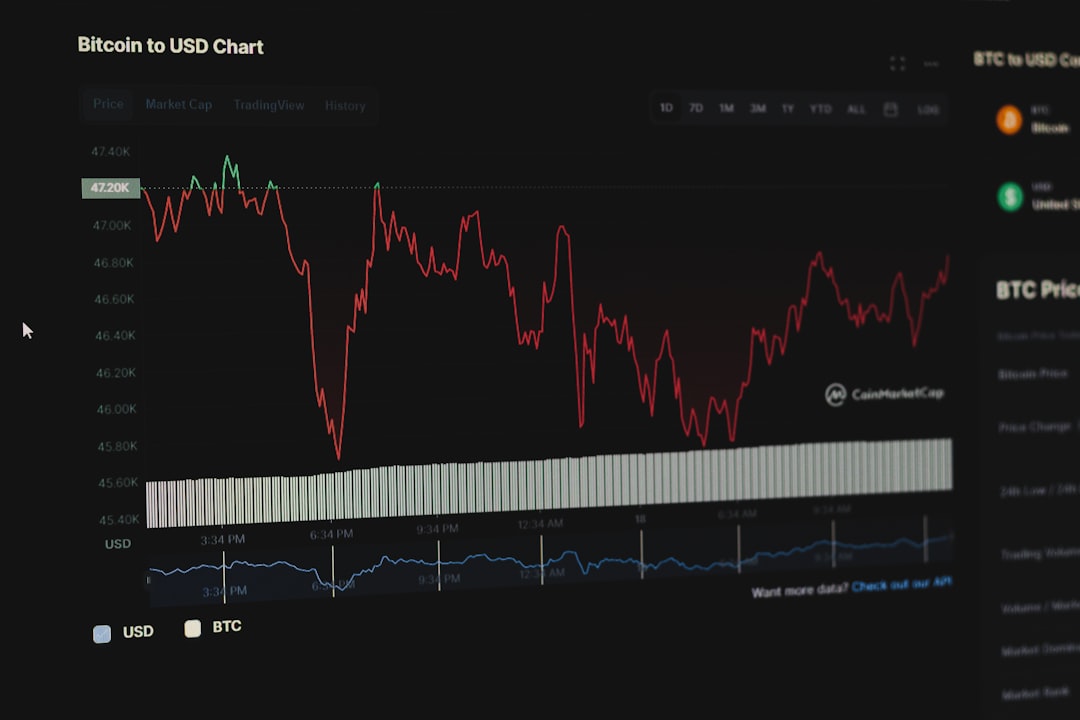
Despite the significant ETF outflows, Bitcoin's spot price demonstrated a degree of resilience, managing to hold above key support levels and even approaching the $75,000 mark in recent trading sessions. Some reports indicated that BTC hit four-week highs, breaking out of a six-week range. This upward price movement was partly fueled by substantial short liquidations, with over $200 million to $500 million in bearish bets being wiped out as volatility increased.
The juxtaposition of ETF outflows and a rising spot price underscores the complex dynamics at play in the Bitcoin market. While institutional fund flows are a crucial indicator, other factors such as derivatives market activity, retail investor sentiment, and broader macroeconomic cues continue to influence price action. The debate over Bitcoin's effectiveness as a macro hedge versus its inherent volatility as a nascent asset class is likely to intensify as geopolitical events continue to unfold, pushing investors to constantly adapt their strategies in this rapidly evolving financial frontier.