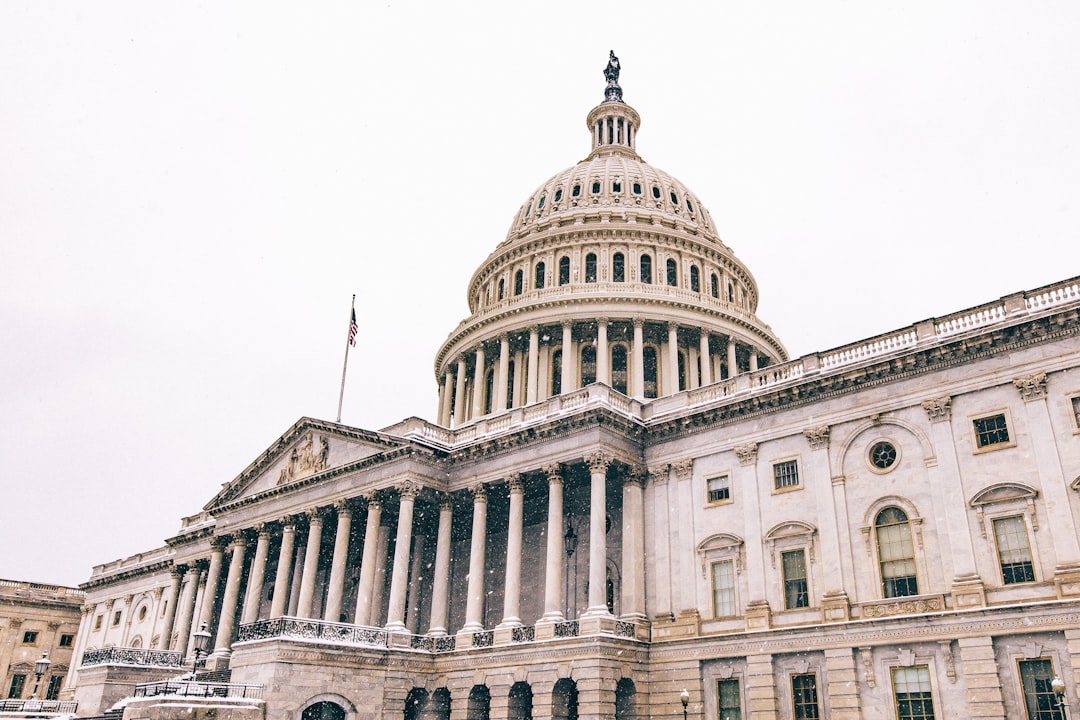
US Clarity Act Gains Traction: Key Crypto Regulation Nears Passage
Washington D.C. is buzzing with renewed optimism for comprehensive cryptocurrency regulation as the Crypto Clarity Act sees its odds of passage climb significantly. After a period of legislative uncertainty, the bill, aimed at establishing clear rules for the nascent digital asset industry, now stands at an almost 70% chance of becoming law in 2026, up from 50% just days earlier. This sudden surge in momentum is attributed to lawmakers returning from their spring recess and a concerted push from high-ranking officials within the Trump administration.
The Crypto Clarity Act is a landmark piece of legislation designed to bring much-needed regulatory clarity to the U.S. digital asset landscape. Its core objective is to define which digital assets are classified as securities and which are commodities, a distinction that has long been a point of contention and confusion, hindering institutional adoption and innovation within the country. Proponents argue that its passage could unlock trillions of dollars in institutional capital by providing a predictable legal framework, thereby solidifying America's position as a global leader in financial technology.
Stablecoin Debate Remains a Sticking Point

Despite the positive trajectory, a significant hurdle for the Clarity Act continues to be the ongoing debate surrounding stablecoins, particularly whether these digital currencies should be permitted to offer yield to holders. This issue has created a standoff between crypto advocates and traditional banking institutions, who fear that interest-bearing stablecoins could lead to deposit flight from conventional banks and potentially undermine financial stability. The White House Council of Economic Advisers (CEA) recently weighed in on this aspect, providing an analysis on April 8, 2026. The CEA's quantitative analysis indicated that limiting stablecoin rewards would offer only small benefits to the economy while incurring meaningful costs.
The push for stablecoin regulation has been underway for some time, with the Guiding and Establishing National Innovation for U.S. Stablecoins Act (GENIUS Act) having been signed into law in July 2025. This earlier legislation mandated that stablecoin issuers maintain reserves backing outstanding stablecoins on at least a one-to-one basis, composed of highly liquid assets like U.S. dollars, short-term Treasuries, or funds held at regulated depository institutions. Building on this, the U.S. Treasury's Financial Crimes Enforcement Network (FinCEN) and the Office of Foreign Assets Control (OFAC) jointly issued a proposed rule on April 8, 2026, to subject payment stablecoin issuers to anti-money laundering (AML) and sanctions compliance requirements, akin to those applied to traditional banks. Furthermore, the Federal Deposit Insurance Corporation (FDIC) also laid out its own guidelines on April 9, 2026, for how institutions and their fintech subsidiaries can utilize stablecoins, focusing on reserve assets, redemptions, and permissible activities.
Bipartisan Support and Industry Impact

The recent increase in the bill's prospects has been met with enthusiasm from key industry players. Brian Armstrong, CEO of Coinbase, a prominent cryptocurrency exchange, has notably reversed his previous stance and now publicly supports the bill's passage, signaling a potential unification within the crypto industry behind the current legislative effort. His previous withdrawal of support had significantly hampered the bill's chances in the Senate.
Treasury Secretary Scott Bessent has also been a vocal proponent, urging the U.S. Senate to prioritize the immediate passage of the Clarity Act. He emphasizes that enacting comprehensive digital asset market structure legislation is crucial for ensuring that the next wave of financial innovation is developed within American regulatory frameworks, supported by American institutions, and denominated in U.S. dollars. With the Senate banking committee reportedly planning a hearing to vote on the bill before the end of the month, the coming weeks will be critical for the future of crypto regulation in the United States. Should the Crypto Clarity Act succeed, it is expected to foster greater confidence, attract more traditional financial entities, and cement a more mature and stable digital asset ecosystem within the country.