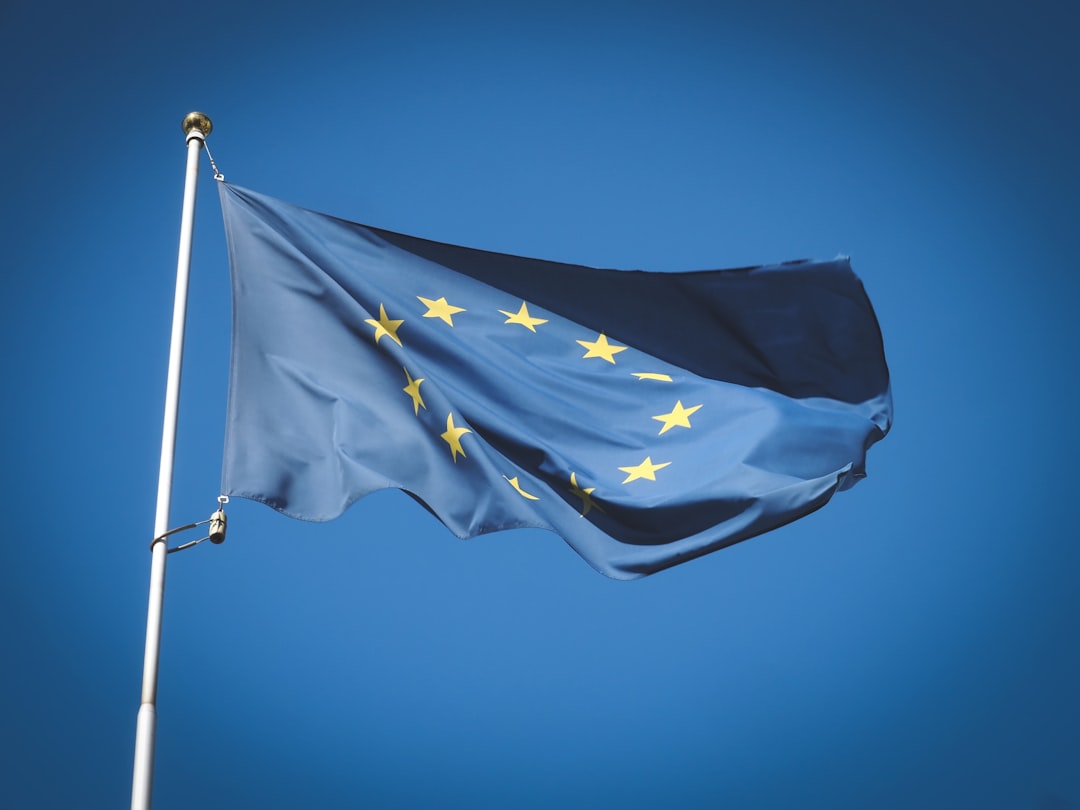
Poland Greenlights Landmark Crypto Bill, Fully Embracing EU MiCA Framework
In a pivotal move for the European digital asset landscape, Poland's House of Representatives, the Sejm, has successfully passed a comprehensive cryptocurrency bill that fully aligns the nation's regulatory framework with the European Union's Markets in Crypto-Assets (MiCA) regulation. The legislation, approved by a vote of 241 to 200 during the 57th session, marks a significant stride towards harmonized crypto regulation within the EU, overcoming previous presidential vetoes that had stalled its progress.
This development is poised to bring greater clarity and structure to Poland's burgeoning crypto market, ensuring enhanced investor protection and market integrity. It also solidifies the country's commitment to integrating its financial technology sector with broader European standards, fostering an environment ripe for innovation under a unified regulatory umbrella.
A Breakthrough After Previous Hurdles

The journey to this legislative milestone has not been without its challenges. The new bill's passage follows two previous vetoes by President Karol Nawrocki, highlighting the rigorous debate and cautious approach taken towards integrating such a nascent and rapidly evolving sector into traditional legal frameworks. The successful vote underscores a concerted effort by Polish lawmakers to finalize a regulatory regime that protects consumers while allowing the crypto industry to flourish responsibly.
A key aspect of the newly approved legislation is the empowerment of the Financial Supervision Authority (KNF). This national regulatory body will now gain significant oversight powers, including the authority to impose penalties and freeze accounts implicated in non-compliant activities. This move aims to bolster enforcement capabilities and ensure strict adherence to the new rules, providing a strong deterrent against illicit practices within the digital asset space. The KNF's expanded mandate is crucial for implementing MiCA's robust requirements at a national level, ensuring that Poland's financial watchdogs are equipped to handle the complexities of the crypto market.
MiCA's Expanding Reach Across Europe
For an international audience, understanding the significance of Poland's action requires context on the EU's landmark MiCA regulation. MiCA, which officially entered into force in June 2023, is designed to establish a uniform legal framework for crypto-assets across all 27 EU member states and three European Economic Area (EEA) members. Its core objectives include fostering market integrity, ensuring financial stability, and protecting consumers from the inherent risks associated with crypto assets.
The regulation covers various aspects of the crypto market, from the issuance of crypto-assets (including asset-referenced tokens and e-money tokens) to the authorization and supervision of crypto-asset service providers (CASPs). It mandates transparency, disclosure requirements, and robust operational resilience standards for firms operating within the EU. With MiCA, the EU aims to create a harmonized playing field, enabling legitimate crypto businesses to 'passport' their services across member states once authorized in one jurisdiction, significantly reducing regulatory fragmentation.
The full application of MiCA to crypto-asset service providers is slated for December 2024, with a transition period extending until July 2026. As this deadline approaches, individual member states like Poland are actively passing national legislation to integrate MiCA's provisions into their domestic legal systems. Poland's latest move serves as a strong indicator of the progressive adoption of MiCA across the bloc, signaling a maturing regulatory environment for digital assets within Europe.
Implications for the Digital Asset Ecosystem
The approval of Poland's MiCA-aligned bill sends a clear message to crypto businesses, both domestic and international: operating within the EU will increasingly require adherence to a comprehensive and standardized set of rules. For companies already established or looking to expand into the Polish market, this means a clearer pathway for compliance but also a heightened expectation of regulatory rigor. It provides a degree of certainty that has long been sought by the industry, allowing for more predictable business planning and investment.
Furthermore, this development reinforces the EU's position as a trailblazer in establishing a holistic regulatory framework for digital assets. As more countries align their national laws with MiCA, the collective strength of the European crypto market is expected to grow, potentially attracting further institutional investment and fostering greater mainstream adoption. The focus will now shift to the effective implementation and enforcement of these regulations, ensuring that the promise of a unified and secure digital asset market within Europe is fully realized.