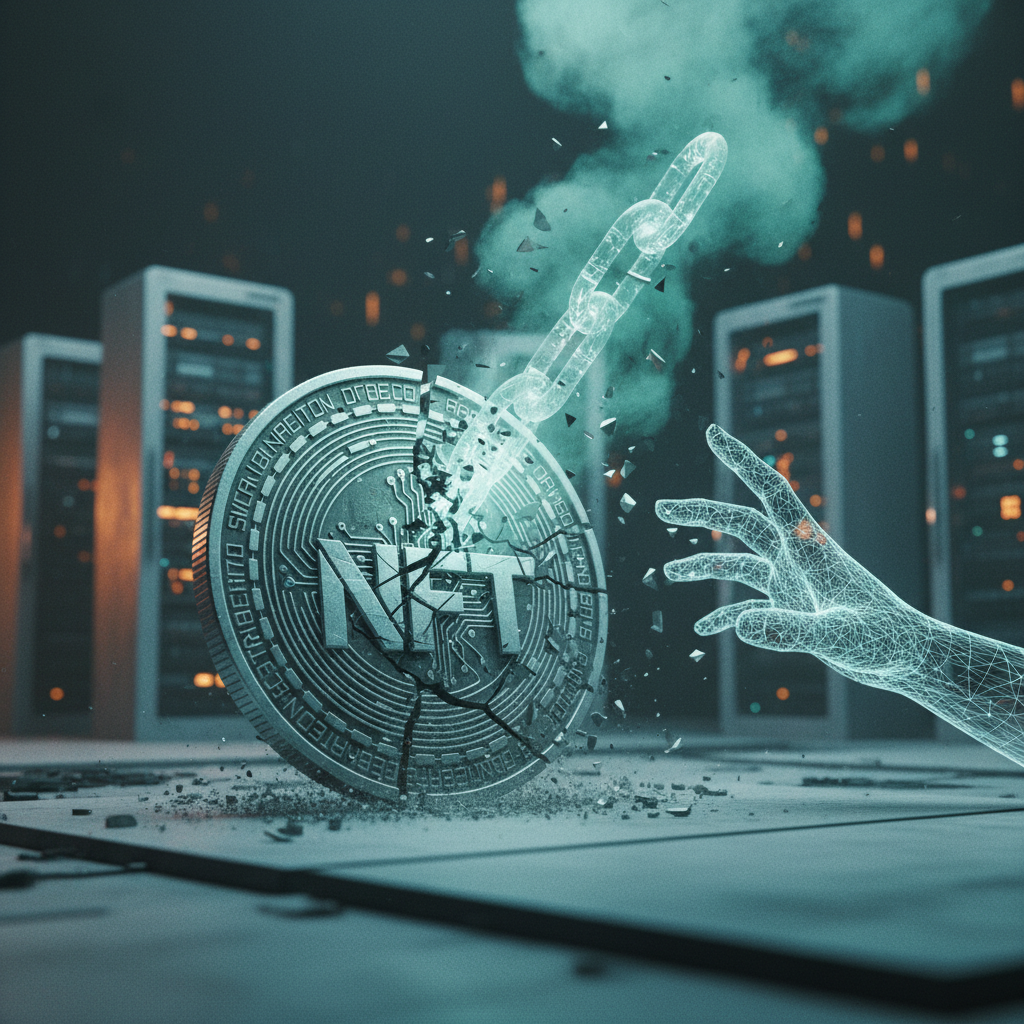
Mint Blockchain Ceases Operations, Mandates Six-Month Asset Withdrawal Window
Mint Blockchain, a dedicated Layer 2 scaling solution for Non-Fungible Tokens (NFTs), has officially announced the termination of its services. This significant development, communicated via the social media platform X on April 17, 2026, initiates a critical six-month period for users to retrieve their digital assets before the platform's final closure on October 20, 2026. The shutdown underscores the inherent risks and dynamic nature of the burgeoning blockchain industry, particularly within the experimental Layer 2 ecosystem for NFTs.
The End of an Era: Withdrawal Deadline Looms for Mint Blockchain Users

The announcement from Mint Blockchain confirms an immediate cessation of its service functionalities. The platform will, however, maintain a limited operational state solely to facilitate user withdrawals. This strategic wind-down provides a definitive deadline, as all processing and withdrawal capabilities will be permanently disabled after October 20, 2026. Therefore, users holding digital assets on Mint Blockchain are urged to act promptly to ensure a smooth transition of their holdings.
Launched with the promise of addressing the scalability and high transaction fee issues often associated with mainnet Ethereum, Mint Blockchain aimed to provide a more efficient environment for NFT minting and trading. Layer 2 solutions, in general, are designed to process transactions off the main blockchain, bundling them together before settling on the primary chain, thus reducing costs and increasing throughput. The termination of a dedicated NFT Layer 2 platform like Mint Blockchain highlights the challenges even specialized scaling solutions face in a competitive and evolving market.
Broader Implications for the NFT Layer 2 Landscape

The closure of Mint Blockchain is expected to have broader implications for how both collectors and creators approach Layer 2 solutions for NFTs. While these scaling chains offer undeniable benefits such as lower fees and enhanced transaction speeds, this event brings into sharp focus the need for users to consider the long-term viability and security posture of such platforms. Market observers suggest that this development could lead to a short-term consolidation of NFT trading activity. Assets might migrate back to the more established and robust Ethereum mainnet or gravitate towards other more mature and widely adopted Layer 2 solutions that have demonstrated sustained operational stability.
This incident will likely accelerate the practice of thorough due diligence for future NFT projects and their chosen underlying infrastructure. Projects may now face heightened scrutiny regarding their treasury management, governance models, and the overall feasibility of their long-term roadmaps before they can garner significant user trust. The fundamental demand for scalable and affordable NFT minting and trading solutions remains robust, indicating that while a shakeout occurs, the market will continue to seek reliable alternatives.
The Enduring Importance of Self-Custody and Proactive Management
The Mint Blockchain shutdown serves as a powerful reminder of the critical principle of self-custody and proactive asset management within the decentralized web. In an ecosystem where platforms can cease operations, retaining control over one's private keys and actively managing digital holdings becomes paramount. Users must verify that any specialized metadata or utility exclusively tied to the Mint Blockchain ecosystem may be at risk of loss if not addressed before the October 20, 2026, deadline.
The journey of Mint Blockchain underscores the experimental nature that still characterizes portions of the broader blockchain industry. While innovation continues at a rapid pace, the market is also experiencing a period of maturation, where unsustainable projects are gradually being filtered out. For participants in the NFT space, this means maintaining vigilance, diversifying asset storage, and staying informed about the operational status of the platforms they utilize. The longevity and security of digital assets ultimately rest in the hands of their owners, reinforcing the decentralized ethos of the blockchain space.