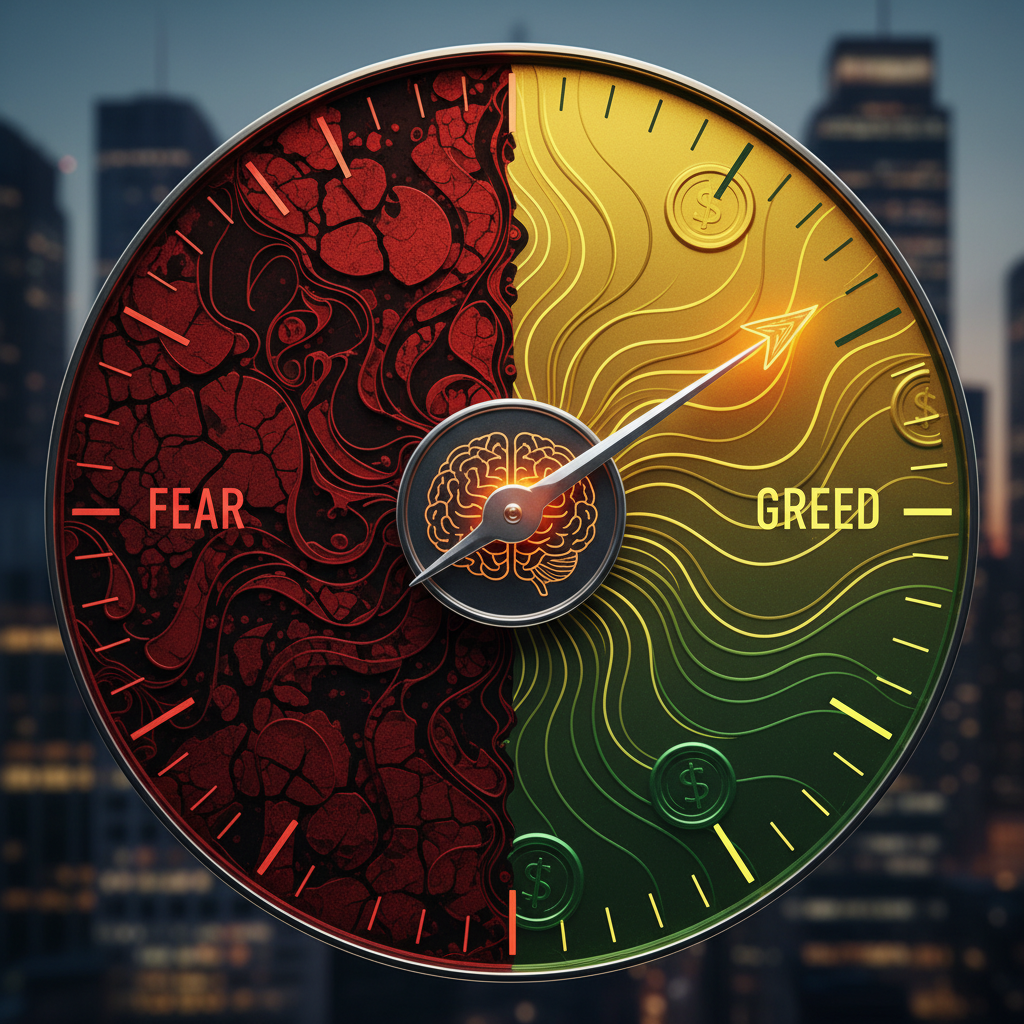
CryptOwl Explained: A Look at the Crypto Fear and Sentiment Tracker
Among the tools traders use to read the crypto market, sentiment trackers occupy a specific niche: they don't predict price, they describe the crowd. CryptOwl is one of them. This explainer covers what it tracks, why market mood is worth watching, and how to use it without over-relying on it.
What CryptOwl is
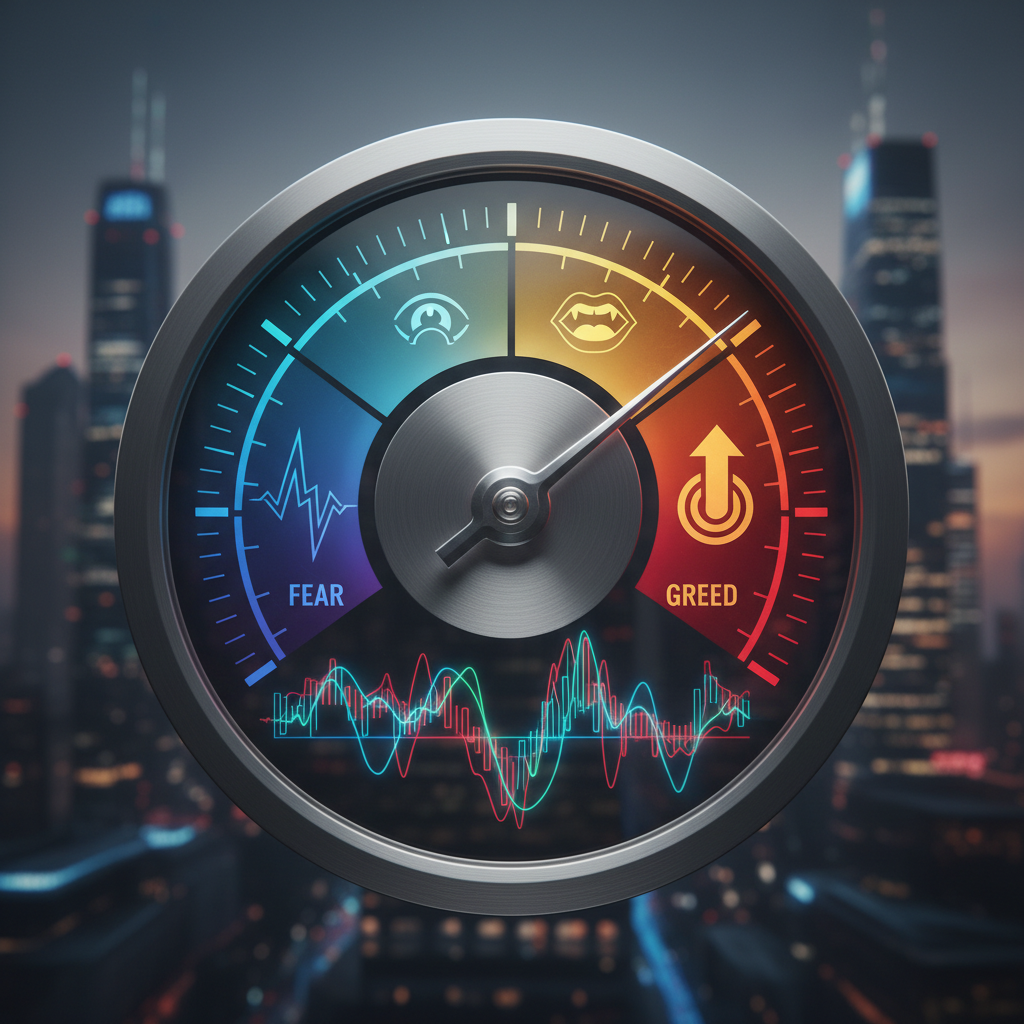
CryptOwl is a crypto market fear and sentiment tracker. It surfaces where the market sits on the spectrum from extreme fear to extreme greed — the same emotional cycle that has driven booms and busts since the asset class began. The point is convenience: a quick, single place to check the mood before making a decision.
How market-mood reads work
Sentiment gauges typically blend signals like volatility, momentum, volume and demand into a single reading. Low readings flag fear; high readings flag greed. Historically, the extremes have been the interesting part — deep fear near washouts, frothy greed near local tops — while the middle of the range is mostly noise.
Where it fits in research
Sentiment is a complement, not a core. A news catalyst explains why the market moved; technical analysis shows what price is doing; sentiment indicates how stretched positioning is. Stack the three and you get context that no single one provides. On its own, "the market is greedy" is a caution, not a sell order.
Bottom line
CryptOwl does one job — tracking crypto market sentiment — and makes it easy to glance at. For traders and observers who want a fast read on whether the crowd is fearful or euphoric, that's a reasonable addition to the toolkit, used with the usual caveat that mood can stay irrational longer than you'd like.
FAQ
What is CryptOwl?
A crypto market fear and sentiment tracker that shows where the market sits between extreme fear and extreme greed.
Does CryptOwl predict prices?
No — it describes market mood, which traders use as context alongside other tools.
When is sentiment most useful?
At the extremes — deep fear or strong greed — which historically have lined up with turning points more often than the mid-range.
This article is informational only and not financial advice.