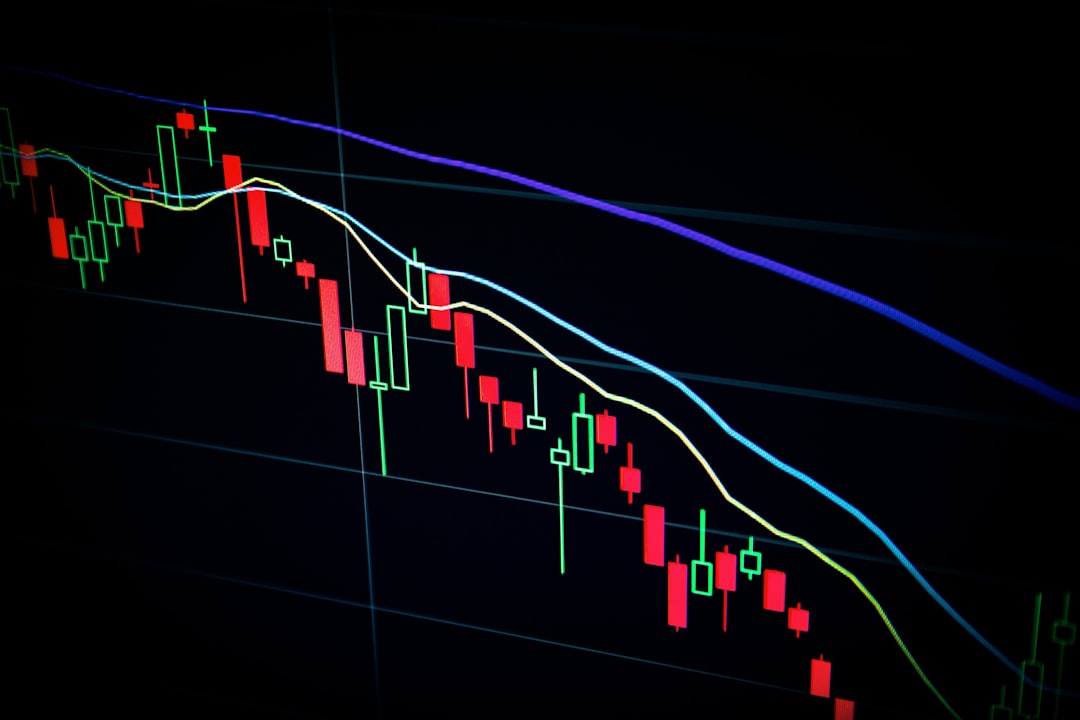
Bitcoin Faces Deeper Correction Risk Amid Bearish Technicals, $400M Liquidations
The cryptocurrency market is grappling with renewed uncertainty as Bitcoin (BTC) displays concerning technical signals and experienced a substantial liquidation event, prompting analysts to flag the potential for a deeper correction. Following a period of volatile trading, the flagship digital asset is struggling to maintain crucial support levels, with bearish sentiment gaining traction among traders.
Bearish Momentum Builds as Bitcoin Fails to Hold Key Support

Bitcoin's price action on May 23, 2026, was characterized by a narrow daily trading range, fluctuating between approximately $75,207 and $75,569. The day concluded with the price settling near $75,398. However, this tight range belied a mounting bearish pressure. Technical analysis reveals a pattern of lower highs and expanded downside volume on the 4-hour chart, reinforcing a bearish momentum as Bitcoin trades below the significant resistance zone of $76,500 to $77,500. The daily chart further suggests a broader corrective phase, with the market structure shifting into a pattern of lower highs and lower lows, indicating diminishing buyer control after a previous rally.
Analysts are closely monitoring Bitcoin's inability to hold critical psychological and technical levels. Michael van de Poppe, a prominent crypto market analyst, noted Bitcoin's fall below a crucial support zone between $75,000 and $76,000, suggesting a potential move towards the $60,000 level. Another analyst, Kamile Uray, highlighted that Bitcoin buyers appear weak, and a break below the key bottom at $74,929 could confirm a developing "Head and Shoulders" top structure, a historically bearish reversal pattern. A sustained breakdown below this level could open the door for a deeper decline into the $71,000-$68,000 region, identified as a major Fibonacci support zone.
The sentiment in the Bitcoin markets is currently leaning bearish, with the Fear & Greed Index reflecting 'Fear.' This declining confidence is also evident in prediction markets, where probabilities for Bitcoin to remain above key thresholds like $75,250, $75,500, and $75,750 have significantly dropped.
Massive Liquidations Highlight Market Fragility
The heightened volatility and bearish pressure culminated in a massive liquidation event in the crypto derivatives market on May 23, 2026. Approximately $400 million in long positions were liquidated in a mere 10 minutes. This swift and substantial unwinding of leveraged bets underscores the fragility of the current market and the cascading effect of price drops on highly leveraged traders.
Bitcoin's price decline from a 24-hour high of $77,434 to $74,606, a 3.62% drop, directly triggered these liquidations and contributed to a 3.27% decrease in the global crypto market cap, bringing it down to roughly $2.575 trillion. This also coincided with US spot Bitcoin ETFs recording approximately $1.26 billion in cumulative net outflows over the past six trading days. While crypto analytics platform Santiment offered a contrarian view, suggesting these outflows might represent a buying opportunity driven by retail impatience rather than institutional exit, the mainstream consensus interprets sustained ETF outflows as a sign of weakening institutional sentiment and a precursor to further price pressure.
Macroeconomic Headwinds and Institutional Demand Shifts
Beyond technicals, the broader macroeconomic landscape continues to cast a shadow over the crypto market. Persistent inflation and the Federal Reserve's cautious stance keep US yields high, pressuring crypto market liquidity. Moreover, economic uncertainty surrounding the Federal Reserve chair transition and cautious interest rate projections for 2026 contribute to a risk-off sentiment.
Institutional participation, which has been a significant driver of Bitcoin's rallies, also shows signs of softening. Weakening spot demand on platforms like Coinbase, coupled with ETF outflows, suggests that US-based institutions might be reducing aggressive spot accumulation. While long-term holders still control a significant portion (71%) of Bitcoin's circulating supply, potentially limiting a break below $60,000, the current market dynamics indicate a reliance on leverage-driven momentum rather than robust organic buying demand. The confluence of bearish technical indicators, significant liquidations, and cautious institutional behavior suggests that Bitcoin faces a challenging period, with a deeper correction remaining a tangible risk for investors.