Ethereum Layer 2 Zero Network Ceases Operations Amidst Market Consolidation
In a significant development for the Ethereum scaling ecosystem, the Layer 2 project known as Zero Network has announced its decision to cease independent operations, effective immediately. Launched approximately 18 months ago by the developers behind the popular Zerion wallet, Zero Network's ambition was to provide a seamless, fee-free experience for users interacting with decentralized applications (dApps) and conducting transfers. This move, reported on May 22, 2026, underscores a growing trend of consolidation and maturation within the competitive Layer 2 landscape.
The project, which leveraged ZK Stack technology, aimed to eliminate traditional gas costs, thereby making blockchain interactions more accessible to a wider audience. However, despite its innovative approach, Zero Network ultimately concluded that maintaining a standalone chain was no longer the optimal path forward for its vision. The team plans to reallocate resources towards enhancing Zerion's broader offerings, including its API and wallet products, leveraging the insights gained from Zero Network's operation.
The Promise of Gas-Free Transactions Meets Market Reality
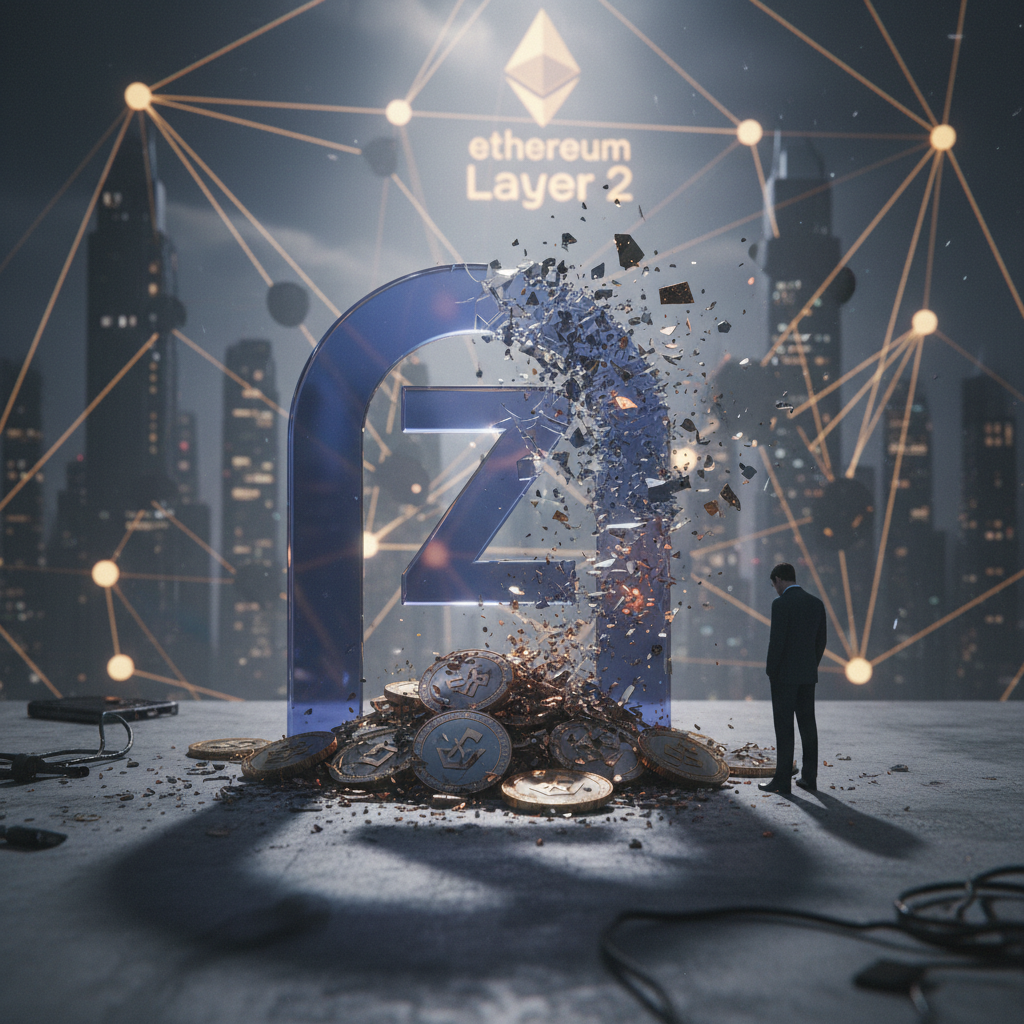
Zero Network entered the fray with a compelling value proposition: a fully gasless, EVM-compatible rollup designed to facilitate user engagement without the burden of transaction fees. This was achieved through an open paymaster system, a technical innovation meant to lower the barrier to entry for mainstream crypto adoption. However, the rapidly evolving Ethereum scaling environment has presented formidable challenges for emerging or niche projects.
The market has seen major Layer 2 solutions such as Arbitrum, Optimism, and Base solidify their positions, commanding significant activity and total value locked. This intensified competition, coupled with elevated maintenance expenses and hurdles in securing consistent user engagement and liquidity, created an unsustainable operational environment for Zero Network. The strategic decision to pivot reflects a pragmatic acknowledgment of these market realities, prioritizing long-term viability and product refinement over the rapid expansion of infrastructure.
Industry professionals interpret such developments as signs of a constructive maturation process within the blockchain space. While it may lead to a reduction in the total number of active networks, it is expected to foster a stronger, more focused ecosystem where only the most robust and value-driven projects can thrive. This shift encourages participants to critically evaluate projects based on key indicators like user activity, revenue streams, and overall adoption, advocating for diversified exposure across proven platforms to mitigate risks.
Navigating the Transition: User Assurance and Industry Implications
For current users of Zero Network, the team has provided clear instructions for asset withdrawal. All users holding ETH, tokens, or NFTs on the network are urged to bridge their assets out before July 31, 2026. The project has assured participants that all funds remain safe and fully accessible through verified bridges, including direct access via the Zerion app, ensuring a secure transition. Bridging into Zero Network has already been disabled, while bridging out will remain available until the specified deadline, after which block production will permanently cease.
Zero Network's journey, though concluding as a standalone Layer 2, has contributed valuable insights into gas abstraction and improved accessibility. These learnings are now poised to enhance Zerion's core products, potentially reaching a broader user base through a more integrated and centralized approach. This strategic redirection aligns with a broader industry trend where infrastructure-focused ventures, including cross-chain protocols and specialized rollups, are similarly opting to pause or redirect efforts.
The closure highlights the demanding nature of blockchain development, where adaptability and a clear pathway to sustainable operations are paramount. It serves as a stark reminder that even innovative projects face immense pressure in a dynamic market characterized by rapid technological advancement and fierce competition for user adoption and liquidity.
A Glimpse into Ethereum's Evolving Scaling Landscape
Ethereum's long-term vision emphasizes a modular blockchain architecture, where the Layer 1 (mainnet) provides foundational security and settlement, while Layer 2 solutions handle the bulk of transaction execution. This rollup-centric roadmap aims to significantly increase throughput and reduce transaction costs. Indeed, Layer 2 blockchains are currently processing more transactions than the Ethereum mainnet itself, signifying a critical shift in how blockchain scalability is addressed.
The experience of Zero Network, while a closure for one project, is a microcosm of the larger forces at play. It reinforces the notion that the success of Layer 2s is not merely about technical innovation, but also about economic viability, sustained user engagement, and the ability to compete effectively in a crowded market. The ongoing evolution of Ethereum, marked by continuous upgrades like the upcoming Glamsterdam and Hegotá, aims to further enhance Layer 2 integration and overall network efficiency, ensuring affordability and predictable costs even during peak demand.
Ultimately, Zero Network's decision is a testament to the Ethereum ecosystem's dynamic and maturing nature. It underscores a collective movement towards robust, user-centric solutions, where resources are concentrated on refining and enhancing existing tools rather than proliferating new, potentially unsustainable, infrastructure. This process, though sometimes involving difficult decisions like project shutdowns, is crucial for the long-term health and resilience of the decentralized web.