
Monday Trade Launches Tokenized NASDAQ Stocks on Monad, Bridging TradFi and DeFi
In a significant stride bridging traditional finance (TradFi) with decentralized finance (DeFi), Monday Trade, a decentralized trading platform, officially launched the trading of ten top tokenized NASDAQ stocks on the high-performance Monad Layer 1 network. This development, powered by Anchored's institutional-grade tokenization infrastructure, marks a pivotal moment for on-chain exposure to real-world assets (RWAs).
Bringing Traditional Equities On-Chain

The new offering enables DeFi users to access tokenized versions of major U.S. equities, transforming how investors interact with traditional stock markets. Each tokenized stock is meticulously backed on a 1:1 basis by the underlying U.S. asset, held securely in regulated custody. This ensures that the digital representation on the blockchain directly corresponds to a real-world equivalent, maintaining transparency and trust.
Monday Trade's platform distinguishes itself by offering 24/5 trading, a notable departure from the conventional stock market hours. Furthermore, transactions boast real-time settlement and uphold the core DeFi principle of self-custody, meaning users retain full ownership and control over their assets without relying on intermediaries. The platform facilitates trades settled in USDC, a widely used stablecoin, further streamlining the process for crypto-native users. Integration with popular Web3 wallets such as MetaMask, Coinbase Wallet, and WalletConnect ensures broad accessibility for the DeFi community.
Monad's Role and the Rise of RWA Tokenization
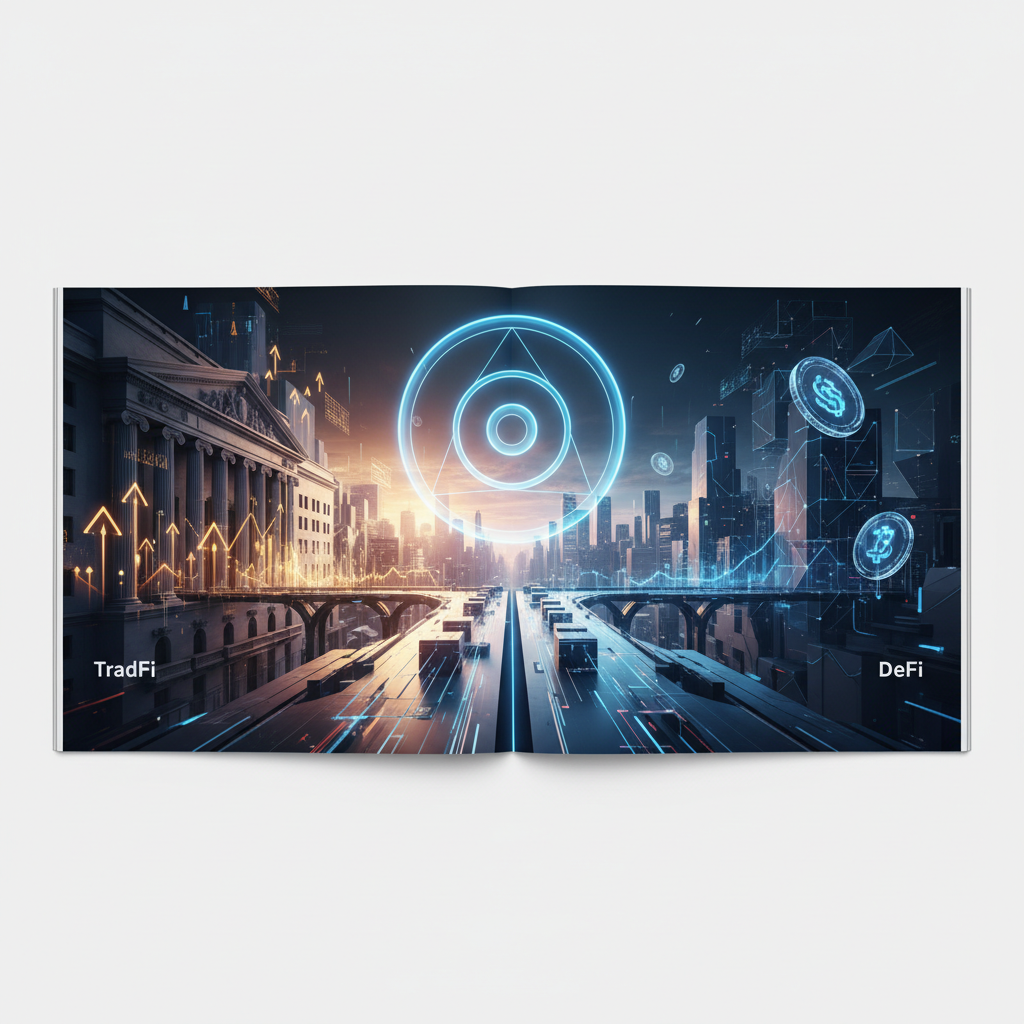
The choice of the Monad network is crucial to this innovation. As a high-performance Layer 1 blockchain, Monad is designed to handle a high volume of transactions with impressive speed and efficiency. This robust infrastructure allows Monday Trade to execute trades in milliseconds, enabling users to react swiftly to market fluctuations – a capability essential for trading equities. Monad's architecture boasts a throughput of 10,000 transactions per second with sub-second finality, providing the technical backbone for a seamless trading experience.
This launch underscores the accelerating trend of real-world asset (RWA) tokenization within the crypto space. Tokenized RWAs, which include everything from real estate and commodities to traditional securities, represent a rapidly expanding sector, with total value exceeding $21 billion (excluding stablecoins). Tokenized U.S. Treasuries alone account for over $9 billion of this figure, signaling a strong institutional appetite for integrating traditional assets onto blockchain rails. The Monday Trade initiative is a direct response to this growing demand, demonstrating how decentralized platforms can offer a new avenue for accessing and trading these assets.
A Strategic Evolution for Decentralized Finance
For Monday Trade, this venture represents a strategic evolution, transitioning from a crypto-native decentralized exchange (DEX) to a comprehensive trading house that effectively bridges traditional finance and decentralized finance. The platform, which already supports spot and perpetual futures trading, aims to become a primary liquidity hub for real-world assets within the Monad ecosystem.
Wenny Cai, Co-Founder & CEO of Anchored, highlighted the significance of this partnership, stating that Monday Trade's integration exemplifies the distribution capabilities Anchored was built for. It provides DeFi-native users with direct access to institutional-grade, fully backed tokenized stocks within their on-chain environment. This initial launch is expected to be the first of many, with plans for a broader rollout of tokenized stocks across the Monad ecosystem.
This pioneering move by Monday Trade and Anchored on the Monad network not only expands the utility and reach of DeFi but also offers a glimpse into a future where traditional financial markets are more deeply integrated with the speed, transparency, and self-custody benefits inherent to Web3. It sets a new precedent for how decentralized platforms can democratize access to global financial instruments, driving further innovation and adoption in the broader digital asset economy.