Strategy's Bitcoin Accumulation Pace Accelerates, ETFs See Billion-Dollar Week
JPMorgan analysts project that Strategy, the enterprise software firm famously led by Michael Saylor, is on track to acquire an astounding $30 billion worth of Bitcoin this year if its aggressive purchasing rhythm persists. This forecast underscores a burgeoning institutional confidence in the world's leading cryptocurrency, further evidenced by a significant resurgence in US spot Bitcoin Exchange-Traded Fund (ETF) inflows, which surpassed $1 billion this week.
Strategy, formerly known as MicroStrategy, has long been a prominent corporate holder of Bitcoin, and its strategy of consistent accumulation continues to capture market attention. According to JPMorgan's recent analysis, the company has already added a substantial 145,834 Bitcoin to its reserves this year, valued at approximately $11 billion. This rapid accumulation pace, often executed when Bitcoin trades below Strategy's estimated average purchase cost of around $75,000, reflects a highly opportunistic investment approach. Currently, Strategy holds an impressive total of 818,334 Bitcoin, an investment valued at over $65 billion, solidifying its position as the largest corporate Bitcoin holder globally.
Institutional Inflows Fuel Market Optimism
The renewed institutional appetite for Bitcoin is not confined to individual corporations. The broader market is witnessing a robust inflow into US spot Bitcoin ETFs, marking a crucial milestone. These investment vehicles attracted over $1 billion in net inflows this week through Thursday, a level not seen since January. This demonstrates a powerful return of capital from institutional investors, who are increasingly utilizing regulated products to gain exposure to Bitcoin.
BlackRock's iShares Bitcoin Trust (IBIT) has emerged as a frontrunner in this resurgence, drawing in approximately $721.5 million over the past three trading days and accounting for the majority of the recent inflows. The strong performance of these ETFs in May follows an already impressive April, which saw $2.44 billion in inflows, making it the strongest month for spot Bitcoin ETFs since October 2025. This sustained demand highlights a fundamental shift in how large financial entities are approaching Bitcoin, viewing it as a legitimate and increasingly integrated part of diverse investment portfolios.
Bitcoin's Price Trajectory and Shifting Dynamics
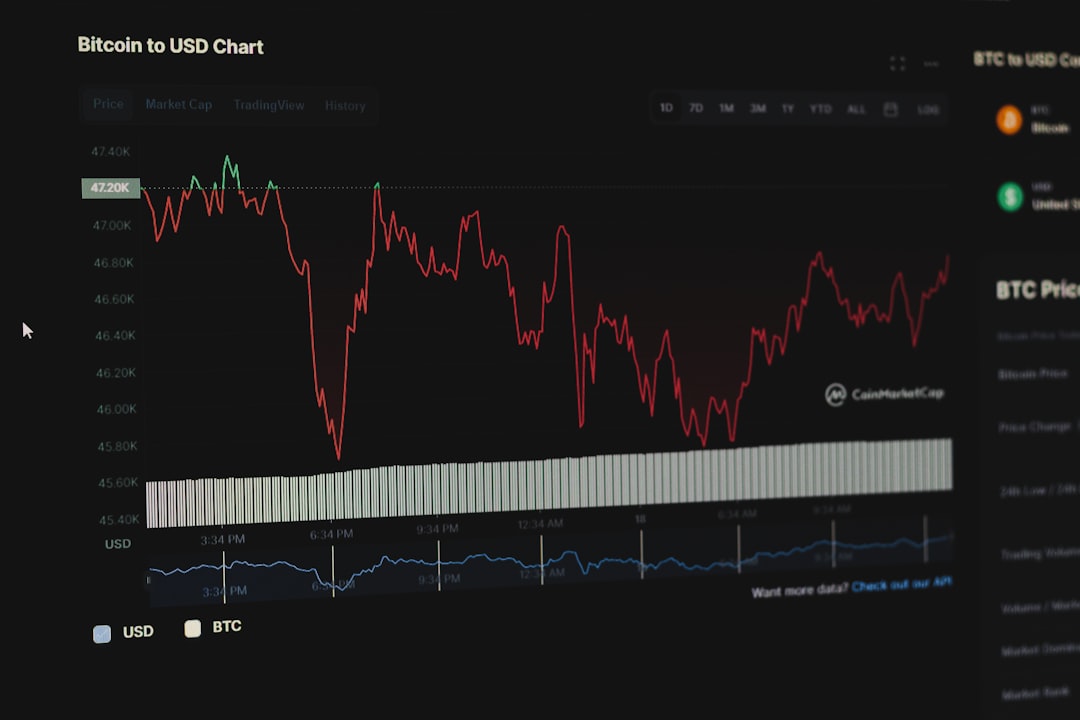
The confluence of aggressive corporate accumulation and robust ETF inflows is having a tangible impact on Bitcoin's price trajectory. The cryptocurrency recently breached the $80,000 mark and briefly touched $82,000 on May 6th, its highest level in over three months. This upward momentum has led prominent market strategists, such as Fundstrat's Tom Lee, to express bullish sentiments. Lee predicts Bitcoin could trade between $90,000 and $100,000 by mid-2026, and potentially even reach $200,000 to $250,000 by the end of the year. These optimistic forecasts are largely attributed to the increasing institutional adoption, sustained ETF demand, and an easing of geopolitical tensions, which collectively contribute to a more favorable macro environment for risk assets like Bitcoin.
A recent survey by CoinShares in April further corroborates this trend, revealing that 32% of surveyed institutional investors already hold Bitcoin. This indicates a growing acceptance and integration of digital assets into traditional financial strategies. While network activity, a traditional indicator of retail interest, has seen a decline to two-year lows, the market's resilience and recent price movements above $80,000 suggest that institutional investors are increasingly dictating Bitcoin's price trends, altering the traditional market dynamics. This structural shift, where regulated products and large-scale capital flows play a more dominant role, is setting a new precedent for Bitcoin's market behavior and its potential for continued growth.