
DeFi Protocols Pivot to Chainlink CCIP After $292M Exploit, Bolstering Trust
In a significant development for the altcoin ecosystem, two major decentralized finance (DeFi) protocols, Solv Protocol and Re (re.xyz), are migrating nearly $1 billion in assets to Chainlink's Cross-Chain Interoperability Protocol (CCIP). This substantial shift comes in the wake of a recent $292 million exploit on a rival LayerZero-powered bridge, underscoring the critical importance of robust security in the burgeoning multi-chain landscape.
Security Concerns Drive Major Asset Migration
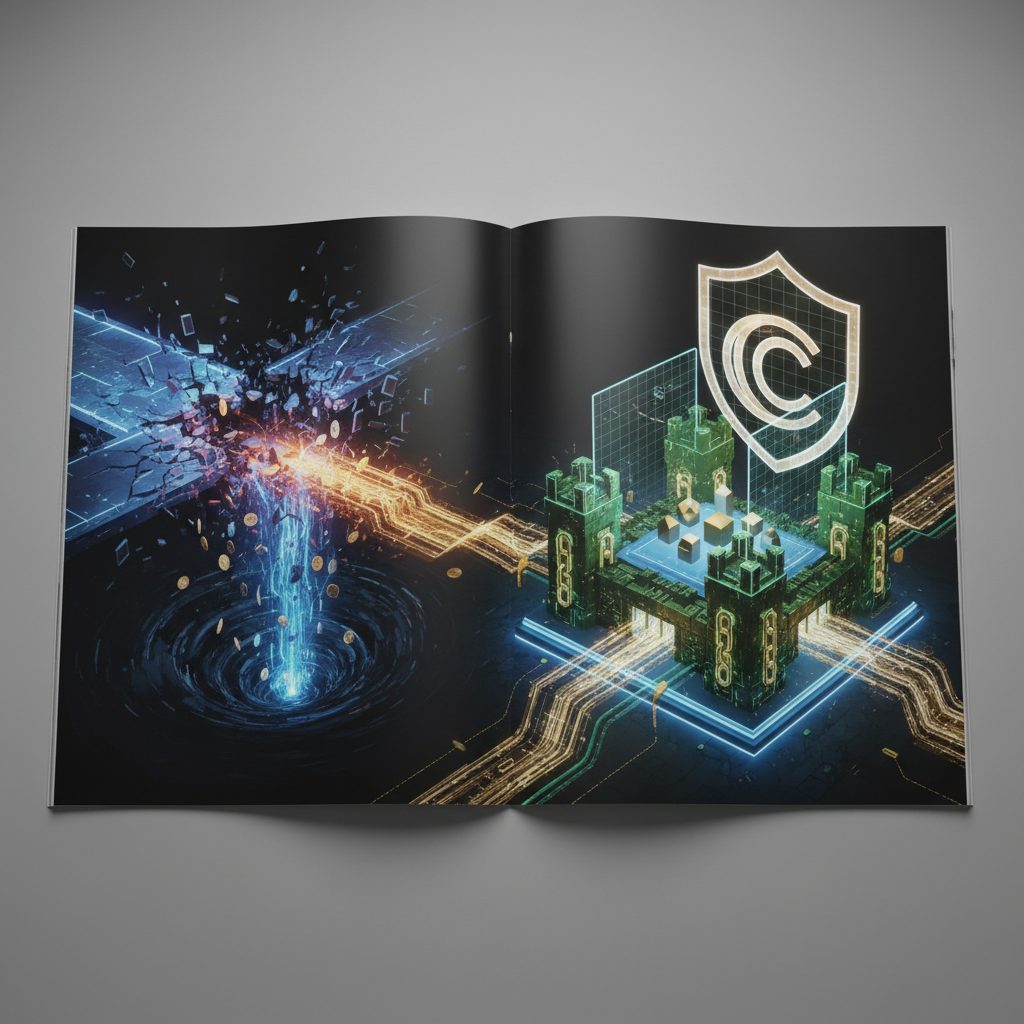
The decision by Solv Protocol and Re to transition their substantial asset holdings to Chainlink CCIP highlights a growing sentiment within the DeFi space: security is paramount. The protocols are moving a combined total of close to $1 billion, with Solv Protocol relocating approximately $700 million in tokenized Bitcoin and Re adopting CCIP as the exclusive bridging solution for its $160 million market capitalization reUSD stablecoin.
This large-scale migration was directly prompted by a $292 million exploit that occurred in April 2026 on a bridge utilizing LayerZero technology. Such incidents, unfortunately not uncommon in the rapidly evolving world of blockchain, expose vulnerabilities in cross-chain communication and emphasize the need for battle-tested, secure infrastructure. The move by these prominent protocols serves as a strong endorsement of Chainlink's architectural resilience and its established reputation for reliability.
Chainlink CCIP's Enhanced Security and Institutional Validation
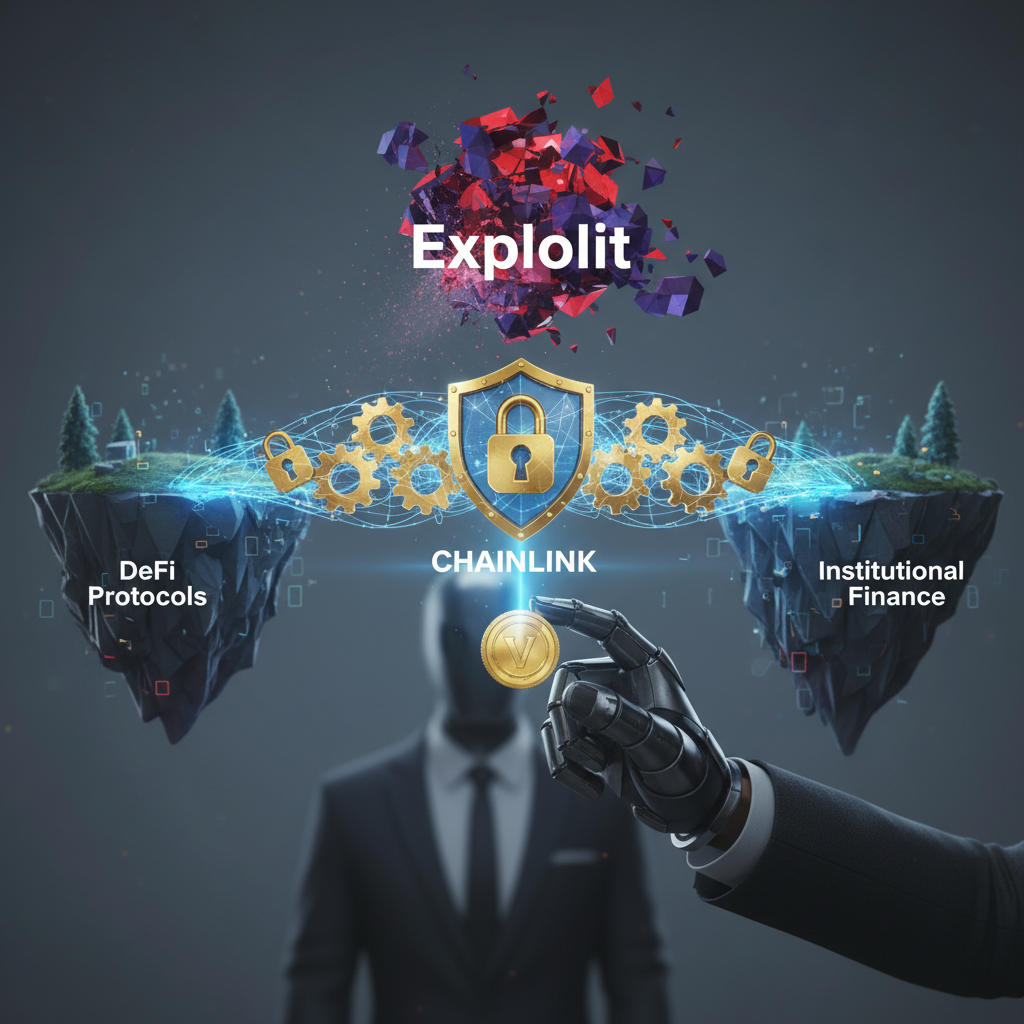
The appeal of Chainlink CCIP lies in its multi-layered security framework, which addresses many of the vulnerabilities that plague less decentralized bridging solutions. Key advantages cited by migrating protocols include CCIP's decentralized validation by a network of over 16 node operators, which reduces single points of failure, and the implementation of built-in rate limits to prevent large-scale exploits.
Furthermore, Chainlink's commitment to institutional-grade security has been independently validated. Earlier in May 2026, global professional services firm Deloitte completed a SOC 2 Type 2 examination on Chainlink's CCIP and Data Feeds. This rigorous audit affirmed that Chainlink is the only oracle platform to hold SOC 2 Type 1, Type 2, and ISO/IEC 27001:2022 certifications, signaling its adherence to stringent standards for security, availability, and confidentiality over an extended period. This level of compliance is crucial for attracting and retaining institutional capital and for enabling real-world asset (RWA) tokenization at scale.
For an international audience, it's important to understand that 'cross-chain interoperability protocols' (CCIPs) are vital for connecting different blockchains, allowing assets and data to move between them. Without secure bridges, the fragmented blockchain ecosystem would struggle to achieve mainstream adoption. 'Oracles,' like Chainlink, provide external data to smart contracts, enabling them to execute based on real-world events. A 'SOC 2 Type 2 audit' is an independent verification that a service provider's systems and controls meet specific trust principles, making it a critical benchmark for institutional partners.
Implications for the Altcoin Landscape
This significant asset migration reinforces Chainlink's position as a foundational piece of infrastructure for the broader altcoin market and the decentralized web. As DeFi continues to mature and institutional players seek to engage with blockchain technology, the demand for secure, reliable, and audited cross-chain solutions will only intensify.
The exodus from a compromised bridge to CCIP not only solidifies Chainlink's market leadership in secure interoperability but also sends a clear message about the growing intolerance for security vulnerabilities within the DeFi space. Protocols and users alike are increasingly prioritizing verified security and decentralization, driving capital towards infrastructure providers that can consistently meet these rigorous demands. This trend suggests a maturation of the altcoin market, where fundamental security and robust technology are becoming key differentiators for long-term success.